Protecting homes from mosquitoes and insects is essential in Thailand, where the hot and humid climate creates ideal conditions for insect breeding—especially mosquitoes, which are carriers of many diseases. One of the most popular prevention methods is installing insect barriers on doors and windows. The two main options most homeowners consider are mosquito netting and window screens.
Although both serve a similar purpose—preventing mosquitoes and insects from entering the house—they differ significantly in materials, structure, durability, appearance, and budget. This article provides a detailed comparison in every aspect to help you choose the most suitable option for your home and lifestyle.
What Is Mosquito Netting?
Mosquito netting is a mesh material made from woven synthetic fibers. The fabric is flexible, lightweight, and foldable. Its key advantages are breathability, good air circulation, and easy installation. It is commonly used in houses, condominiums, resorts, and even camping setups.
Mosquito netting is produced from various materials such as polyester, nylon, and synthetic fibers. Compared to metal mesh, it has a softer texture and is safer for children and the elderly in case of accidental contact.
Modern mosquito netting has been developed with finer mesh density to block even small insects effectively. It also comes in various colors and designs that match contemporary home décor. Additionally, it can be removed and washed easily, making it ideal for homes that need flexible usage.
What Are Window Screens?
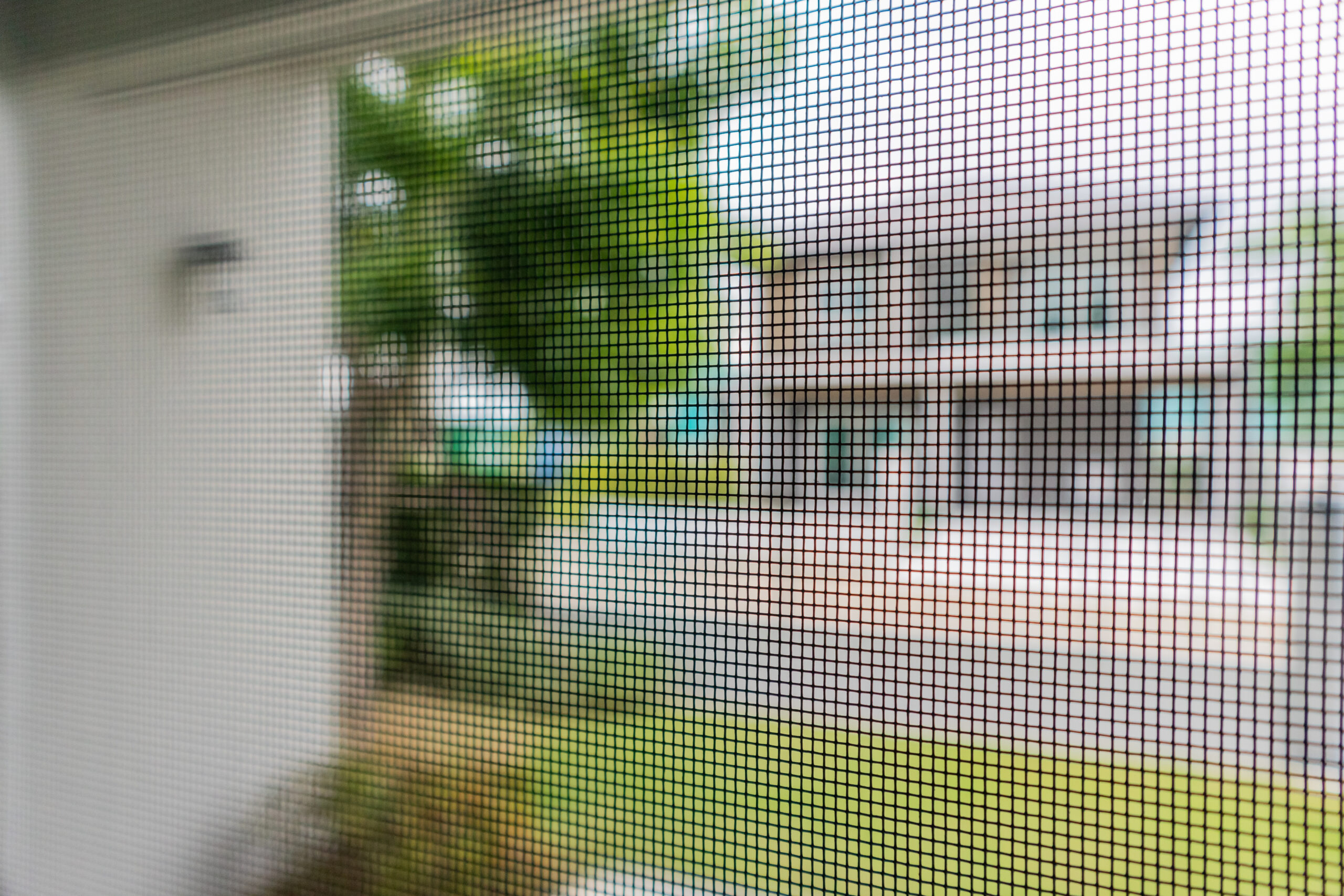
Window screens are mesh sheets made from metal or fiberglass, tightly stretched across aluminum or PVC frames and permanently installed on doors and windows. Their structure is strong, tension-resistant, and maintains shape well.
Common window screen materials include aluminum, stainless steel, and fiberglass. Each material varies in strength, rust resistance, and cost. Metal screens typically provide a neat, built-in appearance that blends well with architectural structures.
For this reason, window screens are a popular choice for permanent residences, townhomes, and buildings that require a clean and long-term installation.
Clear Comparison of Key Differences
1) Materials and Structure
Mosquito netting is made from woven synthetic fibers that are soft and highly flexible. Window screens use stronger materials such as metal or fiberglass stretched tightly on frames, resulting in a more stable structure and better impact resistance.
2) Durability
Window screens generally last longer. They withstand sunlight, rain, and outdoor conditions without tearing easily. Mosquito netting is reasonably durable but may sag or tear under heavy use or sharp objects.
3) Installation
Mosquito netting is lightweight and easy to install. It can be temporary and removable, making it ideal for renters or those who prefer not to drill walls. Window screens require permanent frame installation and professional technicians for secure fitting.
4) Appearance
Mosquito netting offers a light, airy look with various color options, suitable for modern and minimalist homes. Window screens provide a clean, neat, and built-in appearance that integrates seamlessly with building structures.
5) Maintenance
Mosquito netting can be removed, washed, and cleaned easily. Window screens are typically cleaned by wiping or spraying water and may require full panel removal for deep cleaning.
6) Cost
Mosquito netting is generally more affordable, suitable for limited budgets or temporary use. Window screens cost more but offer better long-term value due to their durability.
Which Option Is Right for Your Home?
Choose Mosquito Netting If You:
- Live in a condominium or rental home
- Want easy installation and removal
- Prefer lightweight and portable materials
- Need flexible usage across multiple areas
Choose Window Screens If You:
- Own a long-term residence
- Need strength and a neat appearance
- Want permanent installation
- Require high weather resistance
Effectiveness in Blocking Mosquitoes and Insects
Both options effectively prevent mosquitoes and insects when the mesh density is appropriate. Modern PE Screen Net designed specifically for mosquito protection can block small insects with performance close to window screens.
The key factors are material quality and installation tightness. Any gaps or loose joints can significantly reduce protection efficiency.
If you are looking for an effective mosquito and insect protection solution, premium mosquito netting from Siamnet Industry delivers both performance and value. With advanced high-density mesh fiber technology, it protects against tiny mosquitoes and small insects while maintaining airflow and ventilation—without the stuffiness of solid materials.
Summary of Key Differences
- Mosquito Netting: Lightweight, flexible, easy to install, budget-friendly, ideal for temporary use
- Window Screens: Strong, durable, neat appearance, permanent installation, ideal for long-term homes
Your decision should depend on your living style, budget, and usage needs. If convenience and flexibility matter most, mosquito netting is the answer. If you prioritize strength and long-term durability, window screens are the more worthwhile choice.
Choosing the right insect protection solution not only keeps your home safe from mosquitoes and pests but also improves living quality—making your home more comfortable, airy, and relaxing every day.
References
- “Mosquito Nets vs. Window Screens.” Retrieved on March 25, 2026, from https://screen-hdvamesh.com/mosquito-nets-vs-window-screens/
- “7 Key Differences Between Mosquito Nets and Screens Most Homeowners Overlook.” Retrieved on March 25, 2026, from https://www.journeymanhq.com/140668/7-key-differences-between-mosquito-nets-and-screens/