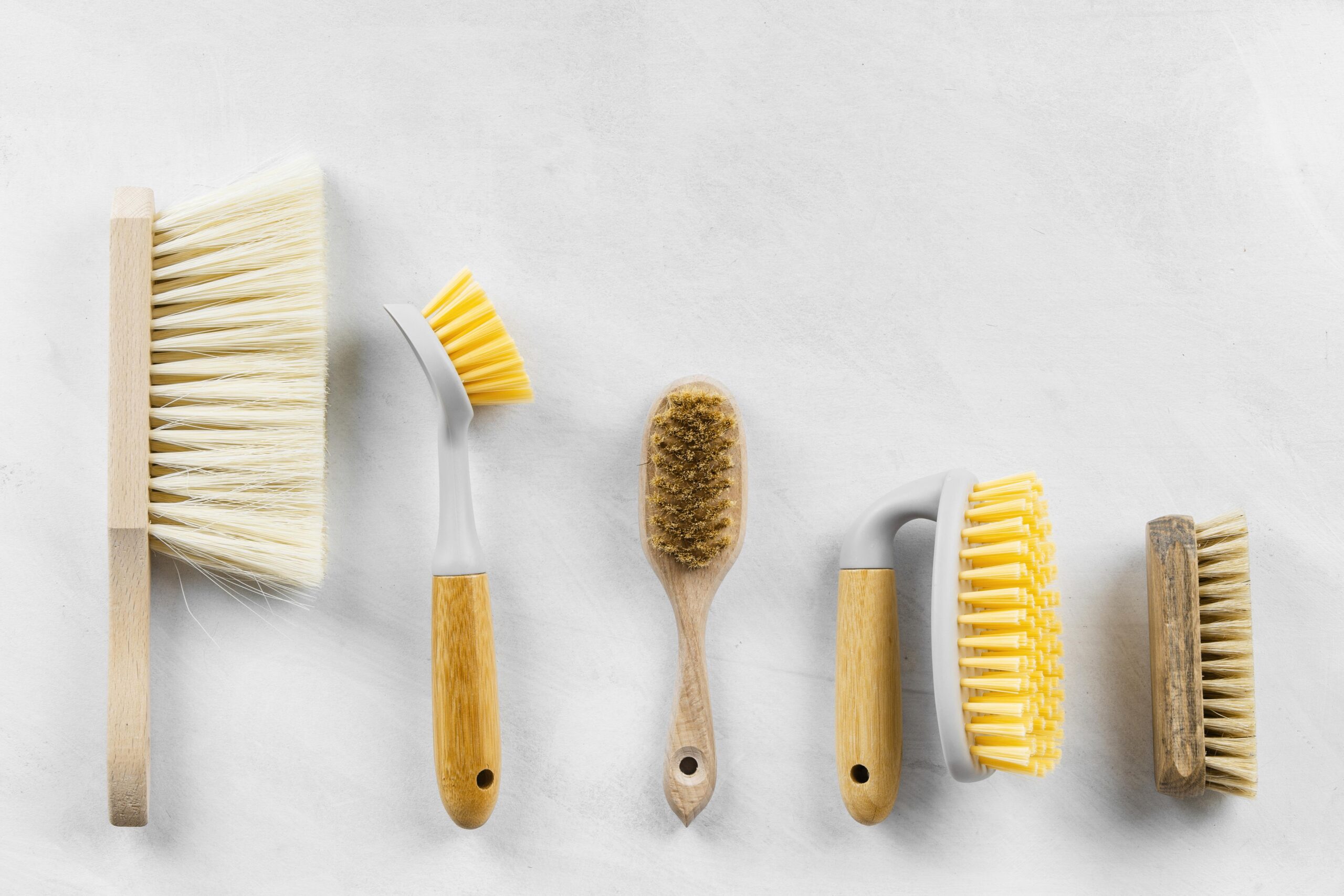
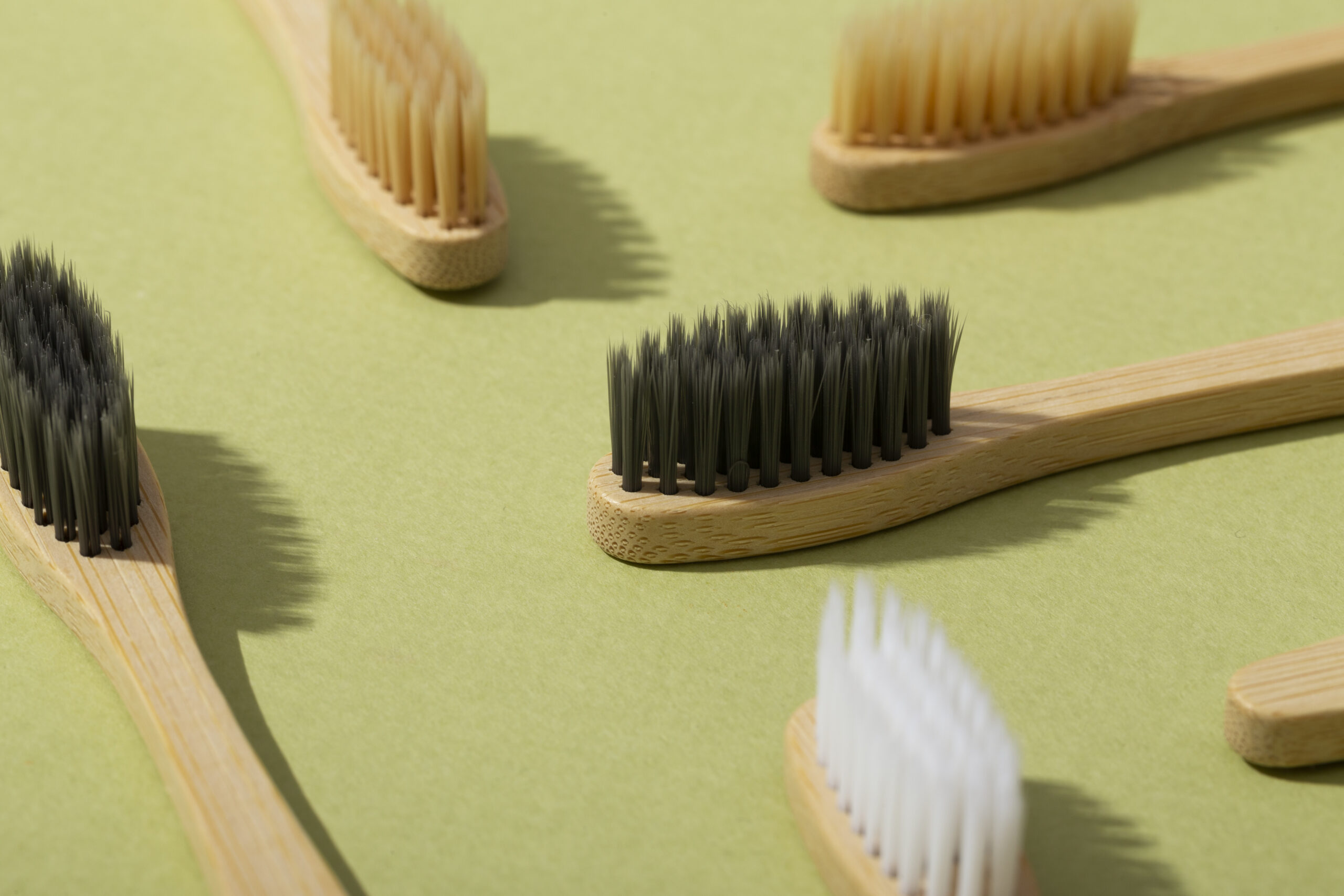
In industrial manufacturing processes, “brush bristles” may seem like a small component that many people overlook. However, they actually play a crucial role in product quality, production line cleanliness, and overall operational efficiency.
Brush bristles are used in a wide range of applications, such as cleaning, removing debris, surface finishing, and even product conveying in production lines. The most commonly used materials are PP (Polypropylene) and HDPE (High-Density Polyethylene).
PP bristles are known for their strength, chemical resistance, and ability to handle heavy-duty tasks. On the other hand, HDPE bristles offer higher flexibility, a softer touch, and are more suitable for applications that require surface protection or outdoor use.
Choosing the right material is not just about functionality—it directly impacts long-term cost efficiency and performance.
Differences Between PP and HDPE Brush Bristles
To select the right material, it’s important to understand their key differences:
PP Brush Bristles (Polypropylene)
- Strong and resistant to pressure and abrasion
- Excellent chemical resistance
- Low water absorption, suitable for wet environments
- Ideal for heavy-duty applications requiring strong brushing force
HDPE Brush Bristles (High-Density Polyethylene)
- More flexible than PP, reducing surface damage
- Slightly softer, suitable for delicate applications
- Resistant to sunlight, rain, and moisture
- Ideal for outdoor use and direct contact with products
What Are PP and HDPE Brush Bristles Used For?
Choosing the right bristle depends on the specific application. Here are the main use cases:
1) Industrial Cleaning
One of the most common uses includes:
- Factory floor cleaning
- Sweeping debris
- Cleaning machinery
👉 Heavy dirt or hard surfaces → Choose PP
👉 Delicate surfaces or scratch-sensitive areas → Choose HDPE
2) Conveyor Systems
Bristles are used to:
- Remove dust
- Separate products
- Clean items on conveyor lines
👉 Fragile products → HDPE
👉 Strong sweeping action required → PP
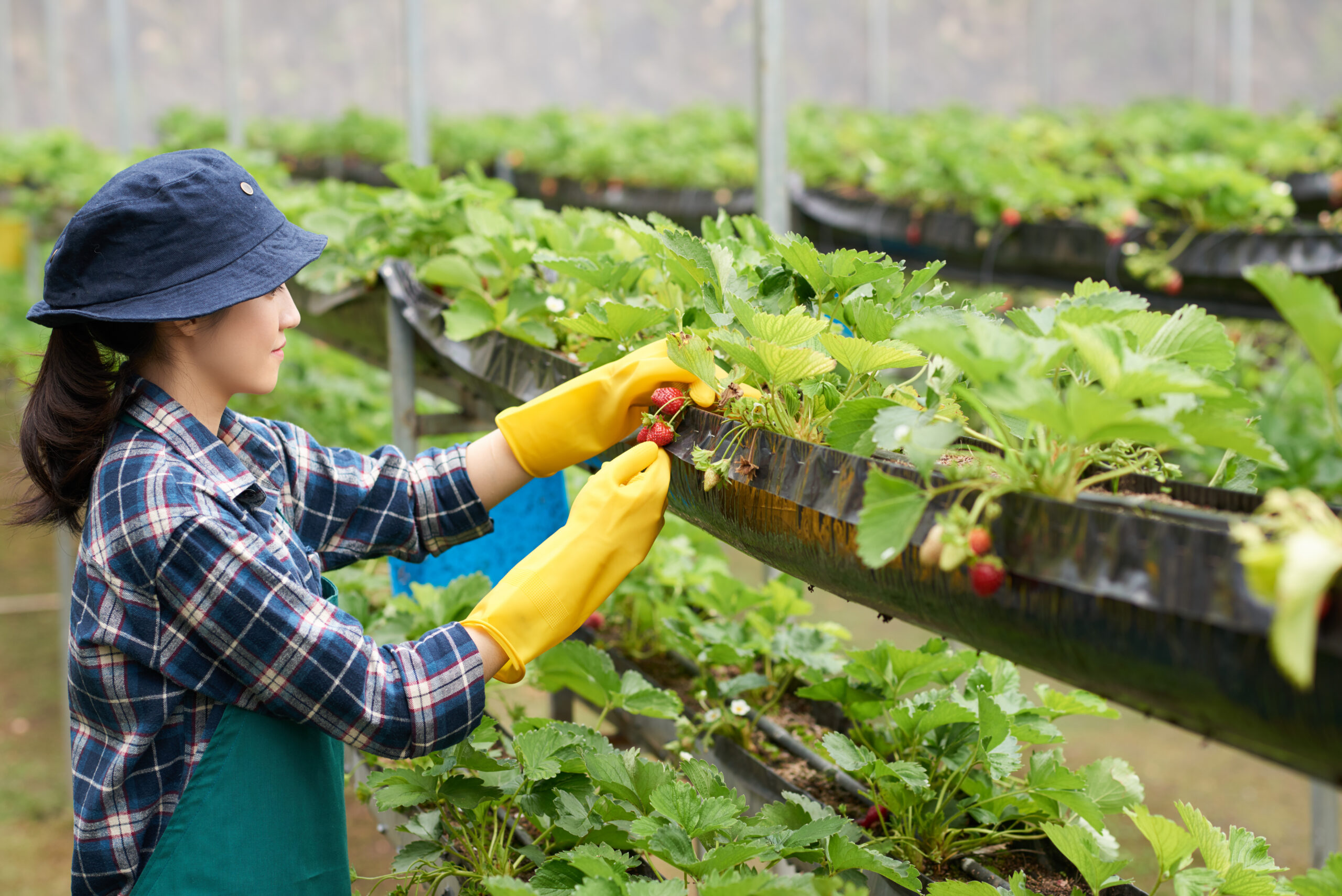
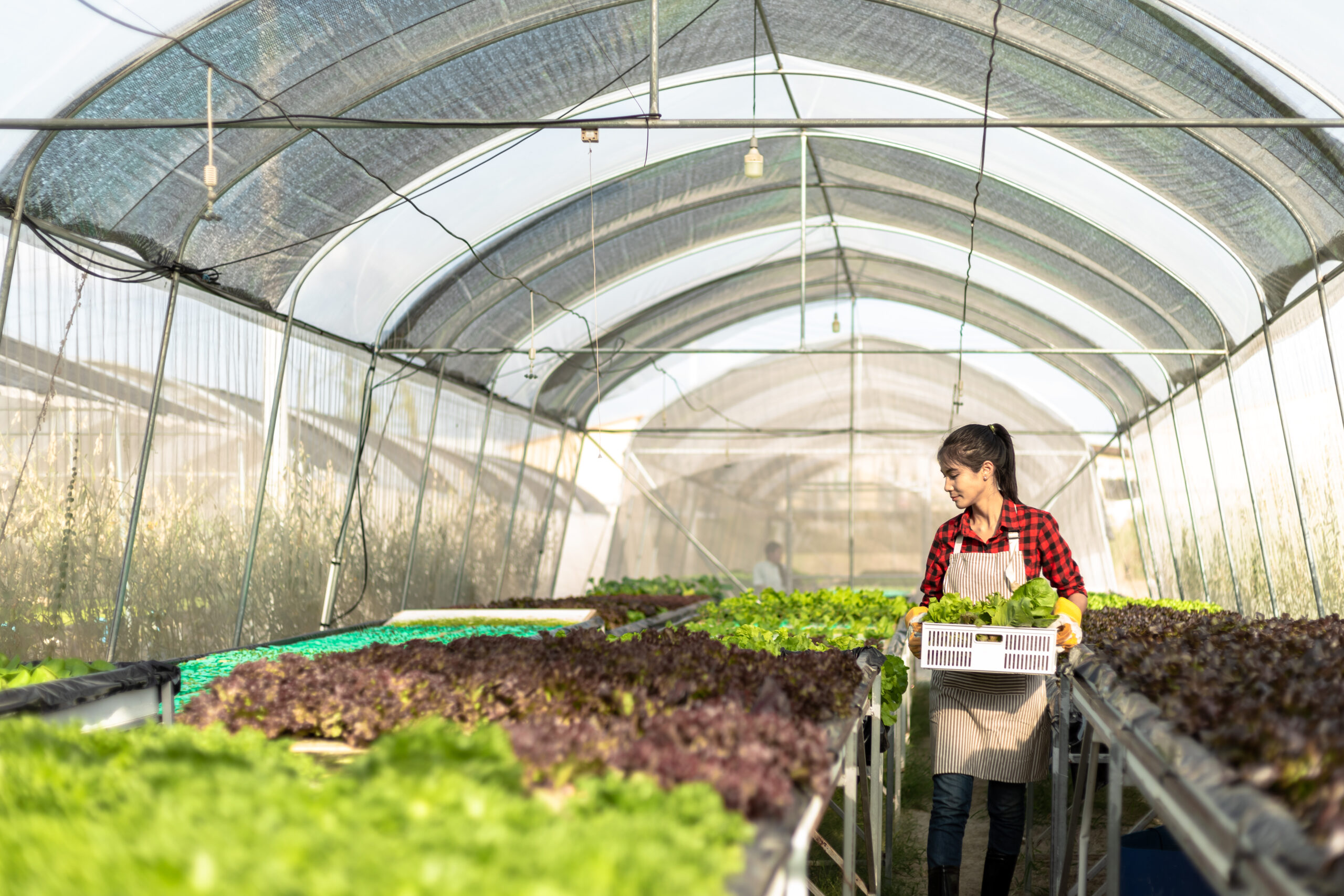
3) Agriculture and Food Industry
In applications where hygiene and safety are essential:
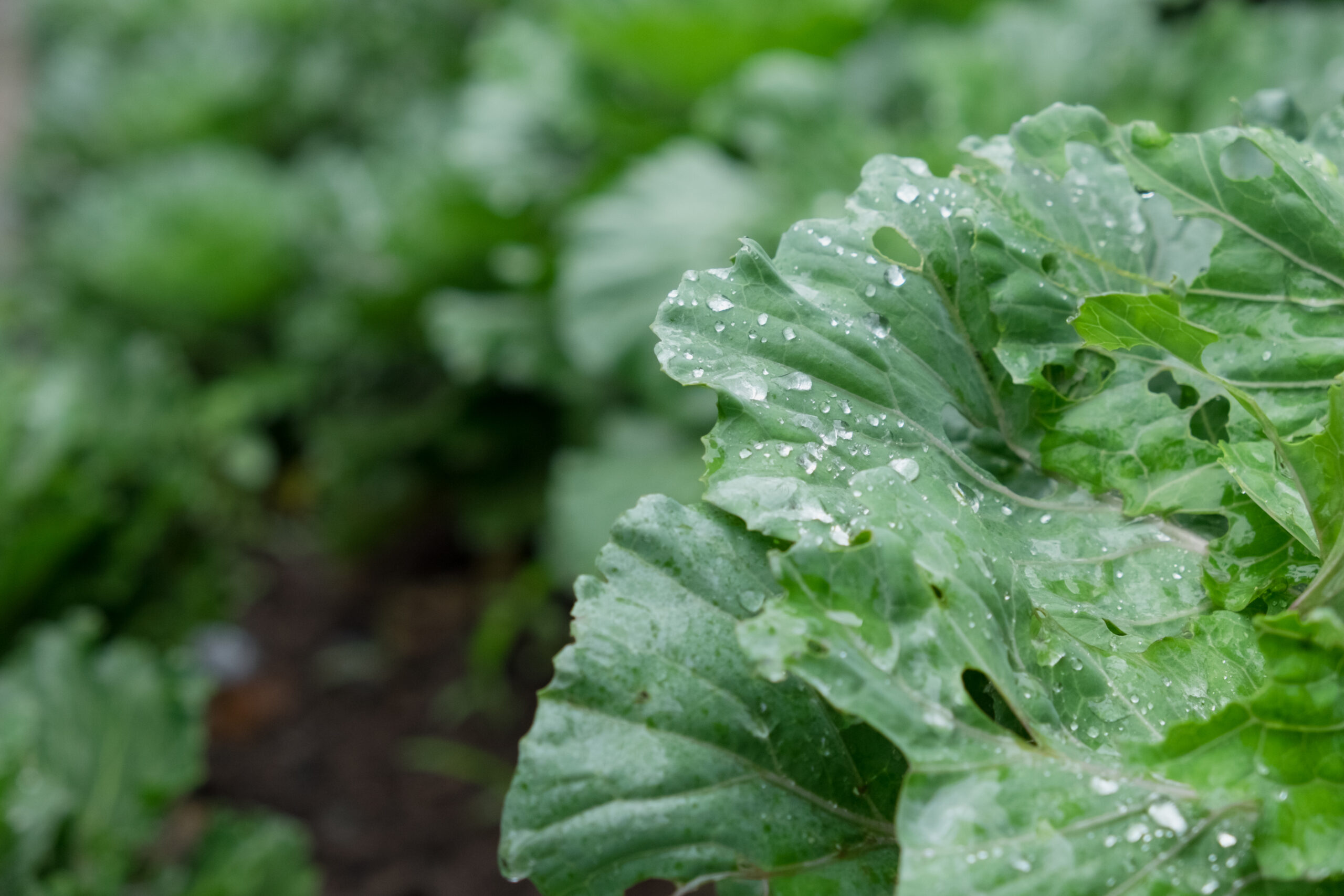
- Washing fruits and vegetables
- Cleaning food processing equipment
👉 Direct product contact → HDPE
👉 Equipment cleaning → PP
4) Surface Finishing and Deburring
In industries like metal or plastic manufacturing:
- Surface finishing
- Deburring
- Pre-processing preparation
👉 Strong abrasive action → PP
👉 Scratch reduction → HDPE
5) Outdoor and Harsh Environments
Such as:
- Construction sites
- Outdoor industrial areas
- High humidity or sunlight exposure
👉 Weather resistance → HDPE
👉 Maximum strength → PP
How to Choose the Right Brush Bristles
Selecting the right bristle material should not be based on price alone. Consider the following:
1. Bristle Stiffness
- Heavy-duty work → PP
- Delicate work → HDPE
2. Surface Type
- Hard surfaces → PP
- Sensitive surfaces → HDPE
3. Environment
- Outdoor → HDPE
- General use → Both are suitable
4. Frequency of Use
For heavy usage, choose high-quality materials to extend lifespan.
Why the Manufacturer Matters More Than the Material
Even if you select the correct material, poor manufacturing quality can result in bristles that shed easily, wear out quickly, or fail to perform as expected.
Choosing a reliable brush manufacturing factory ensures:
- Consistent filament quality
- Strong bristle retention
- Suitability for real industrial applications
Additionally, experienced manufacturers can customize specifications to match specific machinery or production lines.
Benefits of Using High-Quality Brush Bristles
- Reduce replacement frequency
- Improve operational efficiency
- Minimize product damage
- Lower long-term costs
Which Should You Choose: PP or HDPE?
If you need strength, durability, and heavy-duty performance
👉 Choose PP
If you need flexibility, softness, and surface protection
👉 Choose HDPE
In many cases, factories use both materials in different stages of the production process to achieve the best results.
Although brush bristles may seem like a minor component, they significantly impact product quality, production speed, and overall operational costs. By choosing the right material, along with a reliable manufacturer, ensures you get more than just a product—it becomes a solution that enhances your entire production process. Also, making the right choice from the beginning helps reduce problems, lower costs, and improve confidence in every stage of your operations.
References
- “Filaments and Materials for Bristles.” Retrieved on March 27, 2026, from https://www.industrialbrush.eu/filaments-and-materials-for-bristles/
- “Polypropylene (PP) Properties and Applications.” Retrieved on March 27, 2026, from https://www.bpf.co.uk/plastipedia/polymers/pp.aspx