Shading nets are versatile materials widely used across many industries, including construction, agriculture, and greenhouse cultivation. They help reduce heat, filter sunlight, and provide partial wind protection. In addition, shading nets improve the usability of outdoor spaces by creating more comfortable environmental conditions.
However, many people are unsure which type of shading net to choose. There are many options available on the market with different shading percentages, materials, and quality levels. Choosing the wrong type may result in inefficient performance. This article will guide you on how to select the right shading net for different applications.
What Is a Shading Net?
A shading net is a mesh fabric typically made from polyethylene or other synthetic materials. It is produced through a weaving or knitting process to create a durable mesh structure designed to reduce the amount of sunlight passing through.
Shading nets are usually categorized by their shading percentage, such as:
-
50% – Blocks about half of the sunlight
-
60–70% – Provides moderate shade and heat reduction
-
80–90% – Offers strong shading, suitable for areas requiring high shade levels
Selecting the appropriate shading percentage helps maintain balanced light and temperature conditions in the intended area.
Choosing Shading Nets for Construction Work
In construction projects, shading nets are commonly used to block sunlight, reduce dust, and enhance safety around construction sites, such as installation around scaffolding or building structures.
Key Features to Consider
- High Durability
Construction sites often experience strong winds, intense sunlight, and dust. Therefore, a shading net with high-density fibers is recommended.
- Shading Percentage Between 60–80%
This level helps reduce heat exposure for workers and minimizes glare from construction materials.
- UV Resistance
Strong sunlight can cause shading nets to deteriorate quickly. UV protection additives can significantly extend their lifespan.
- Easy Installation
The mesh structure should be flexible and compatible with scaffolding or structural frames.
Choosing Shading Nets for Agricultural Use
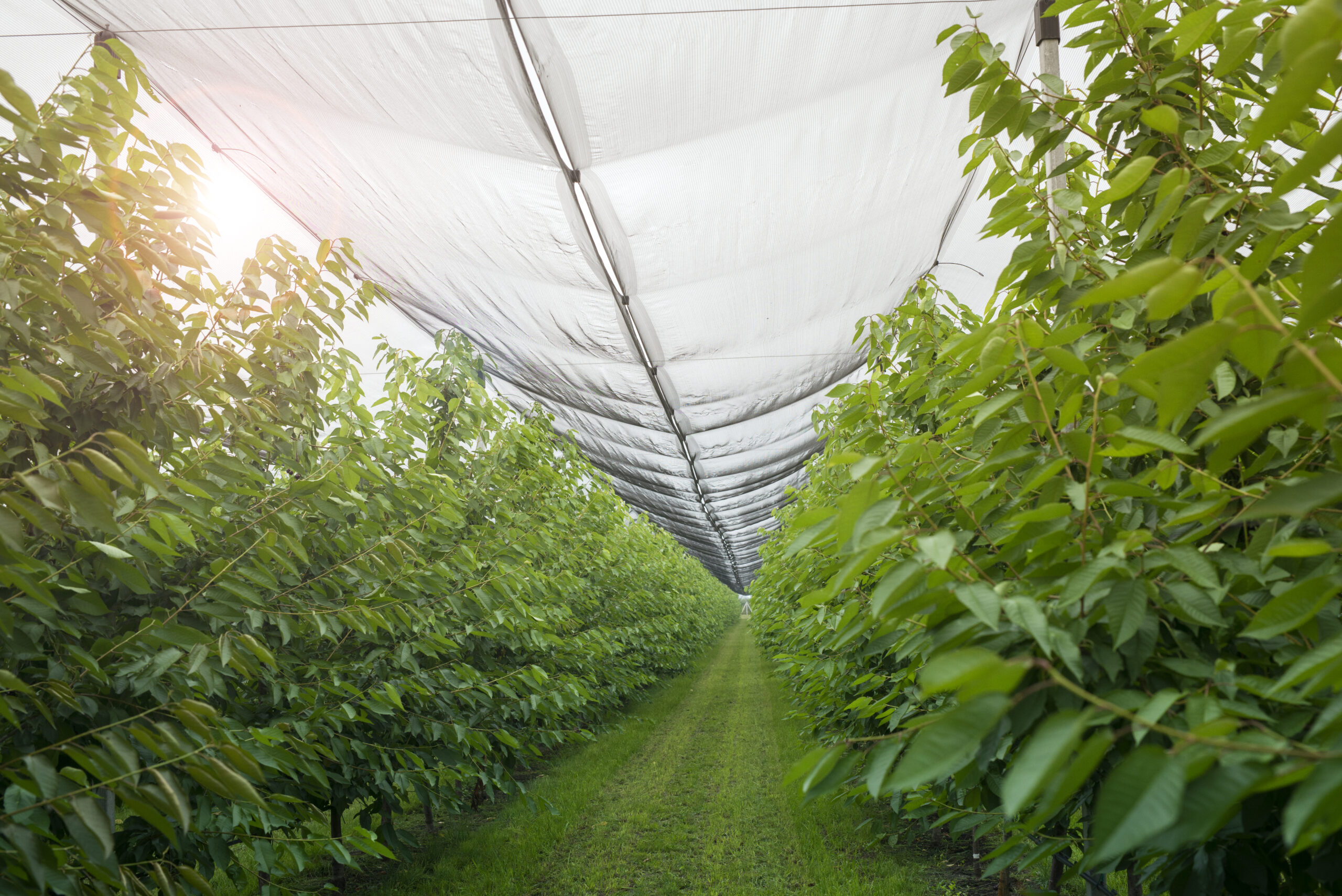
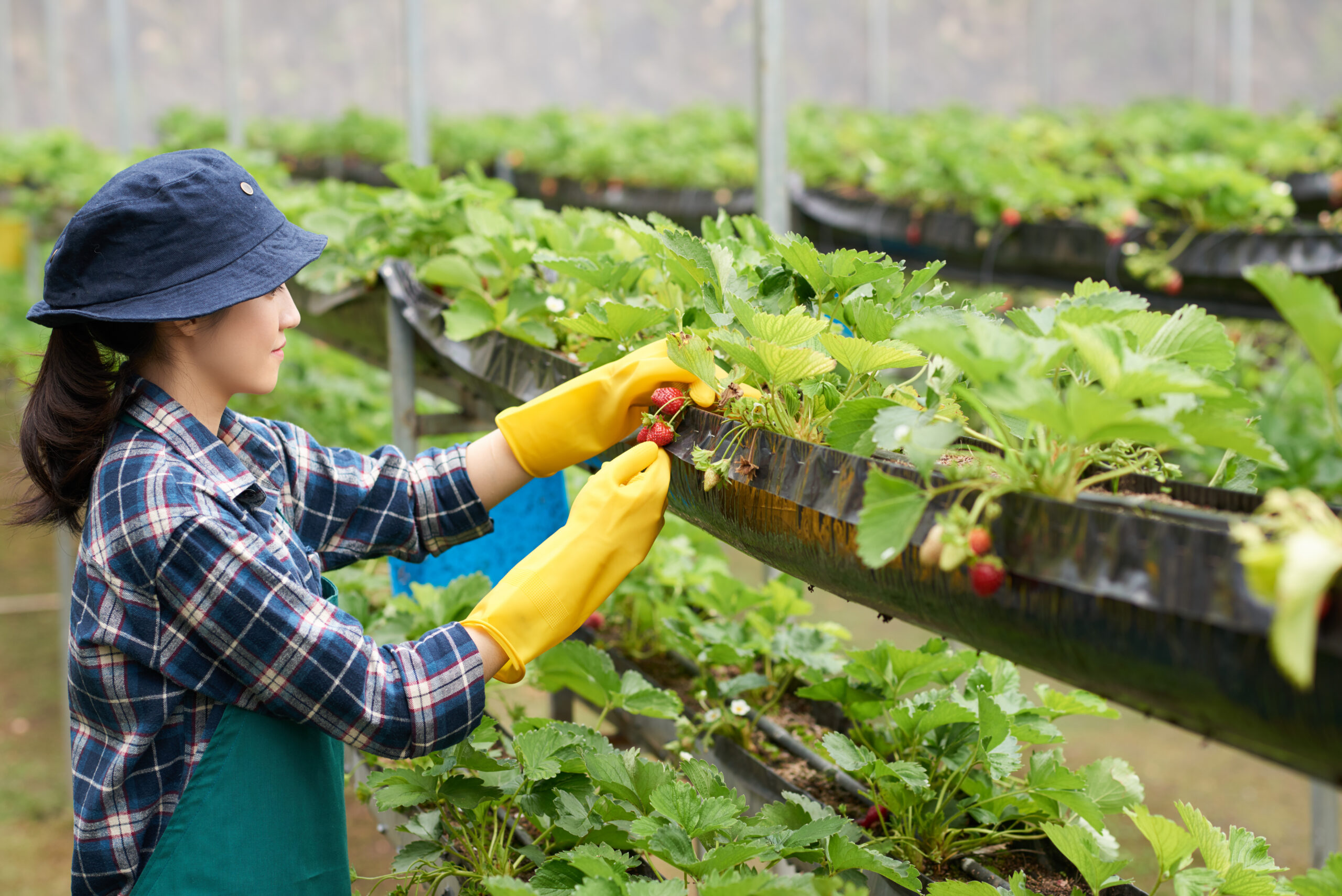
Shading nets are essential in agriculture because they help regulate sunlight and environmental conditions suitable for plant growth.
Recommended Shading Levels for Different Plants
-
30–50%
Suitable for crops that require plenty of sunlight, such as vegetables.
-
60–70%
Ideal for ornamental plants, seedlings, and some nursery plants.
-
80% or higher
Suitable for shade-loving plants such as certain ferns and orchids.
Additional Factors to Consider
Choosing the right shading net helps reduce plant stress and can improve crop yield over time.
Choosing Shading Nets for Greenhouses
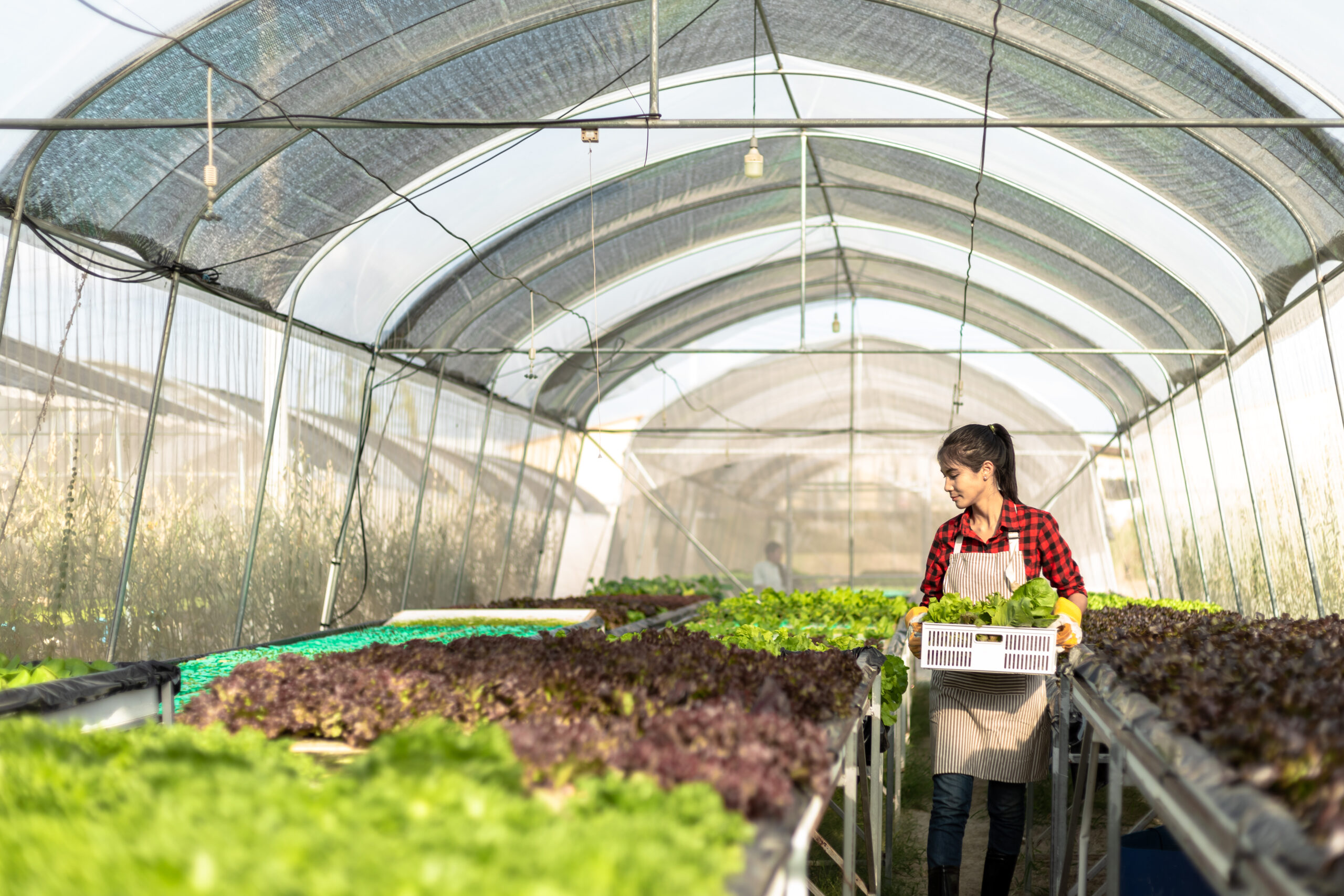
Greenhouses require more precise environmental control. Shading nets play an important role in managing both sunlight intensity and temperature inside the structure.
Key Considerations
- Consistent Light Distribution
The mesh should be woven evenly so that sunlight spreads uniformly throughout the greenhouse.
- Weather Durability
Since greenhouse systems are long-term installations, the shading material should withstand prolonged exposure to sunlight and environmental conditions.
- Proper Mesh Size
A suitable mesh size allows better ventilation and prevents heat buildup.
Many users therefore prefer sourcing their products from a reliable shading net manufacturer that follows strict production standards and offers durable materials, helping reduce replacement and maintenance costs in the long run.
Tips for Installing Shading Nets for Longer Lifespan
Even with a good shading net, proper installation plays a crucial role in maximizing durability.
- Maintain Proper Tension
Avoid installing the net too loose or too tight, as this may distort the mesh structure.
- Use Suitable Fastening Materials
Such as nylon ropes, cable ties, or metal frames.
- Allow Ventilation Gaps
This helps reduce wind pressure directly hitting the net.
- Inspect and Maintain Regularly
Repair small tears promptly to prevent them from expanding.
Choose Shading Nets from Reliable Sources Choose Siamnet Industry
Shading nets are essential materials used in multiple industries, from construction and agriculture to greenhouse cultivation. Selecting the right type requires consideration of shading percentage, material durability, and the specific conditions of use.
When chosen correctly, shading nets not only reduce heat and sunlight exposure but also improve working conditions and support more efficient agricultural production over the long term.
Selecting a durable and high-quality shading net ensures better long-term performance and value. Choosing products from trusted suppliers helps guarantee material standards and product reliability.
References
- “How to Choose a Shading Net? 5 Things You Should Know Before Buying.” Retrieved on March 5, 2026, from https://tamsuan.com/agriculture-knowledge/shading-net/
- “How to Choose the Right Sun Shade Net for Your Needs: Which Option Offers the Best Value?” Retrieved on March 5, 2026, from https://www.sgethai.com/article/shade-net-buying-guide/