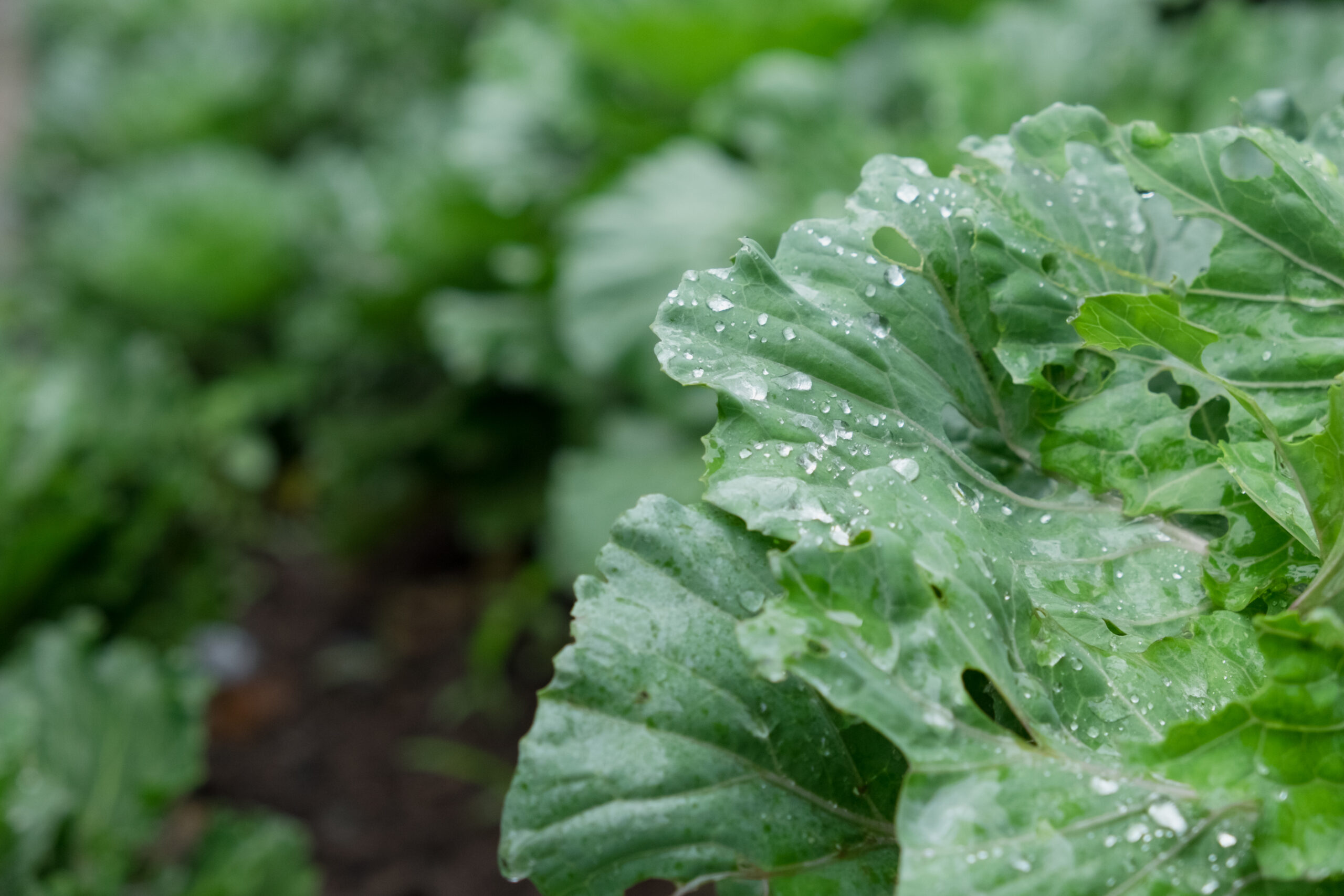
The rainy season is often considered one of the best times to grow vegetables. Natural rainfall reduces irrigation needs, keeps the soil moist, and supports healthy plant growth. However, excessive moisture can quickly become a challenge. Heavy rain, waterlogged soil, fungal diseases, and increased pest populations may significantly reduce crop quality and yield if not managed properly.
Whether you are a home gardener or a commercial vegetable grower, understanding how to manage crops during wet weather is essential. By applying the right cultivation techniques, you can minimize plant stress, reduce disease outbreaks, and harvest healthy vegetables throughout the season.
This article explores practical strategies for protecting vegetable crops during the rainy season and maintaining consistent production.
Common Problems When Growing Vegetables During the Rainy Season
Although rain provides a valuable water source, prolonged wet conditions create several challenges for vegetable production.
Some of the most common issues include:
- Waterlogged soil that suffocates plant roots
- Root rot caused by poor drainage
- Rapid spread of fungal and bacterial diseases
- Increased populations of insect pests
- Damaged leaves from heavy rainfall
- Nutrient leaching from excessive water
Fortunately, most of these problems can be prevented with proper planning and crop management.
1. Choose Vegetables Suitable for the Rainy Season
Selecting the right crops is the first step toward successful rainy-season gardening.
Vegetables that generally tolerate humid conditions include:
- Chinese kale
- Water spinach
- Bok choy
- Holy basil
- Sweet basil
- Spring onions
- Culantro
More delicate vegetables that require extra care include:
- Lettuce
- Salad greens
- Cabbage
- Tomatoes
- Cucumbers
These crops are generally more susceptible to fungal diseases and excessive moisture.
2. Build Raised Garden Beds
Standing water is one of the leading causes of crop failure during the rainy season.
Raised beds improve drainage by allowing excess water to flow away from plant roots. Ideally, beds should be raised approximately 20–30 centimeters above ground level and include drainage channels between rows.
If vegetables are grown in containers, ensure each pot has sufficient drainage holes and avoid placing containers in low-lying areas where rainwater accumulates.
3. Improve Soil Drainage
Healthy soil should retain enough moisture while allowing excess water to drain efficiently.
Adding organic materials can significantly improve soil structure, including:
- Compost
- Rice husks
- Coconut coir
- Well-decomposed manure
These amendments increase soil porosity, improve aeration, and encourage stronger root development.
4. Reduce Irrigation During Rainy Weather
One of the most common mistakes is continuing regular watering even after heavy rainfall.
Before irrigating, always check soil moisture. If the soil remains damp several centimeters below the surface, additional watering is unnecessary.
Overwatering encourages fungal diseases, weakens roots, and increases the risk of root rot.
5. Prevent Fungal Diseases
Warm temperatures combined with high humidity create ideal conditions for fungal pathogens.
Common diseases include:
- Downy mildew
- Powdery mildew
- Leaf spot
- Damping-off
- Stem rot
Preventive measures include:
- Providing adequate spacing between plants
- Removing infected leaves immediately
- Improving air circulation
- Avoiding prolonged leaf wetness
Early detection is essential for preventing disease from spreading throughout the crop.
6. Monitor and Control Insect Pests
Rainy weather often encourages rapid reproduction of insect pests, including:
- Aphids
- Diamondback moth larvae
- Armyworms
- Whiteflies
Inspect plants regularly, paying close attention to the undersides of leaves where insects often hide.
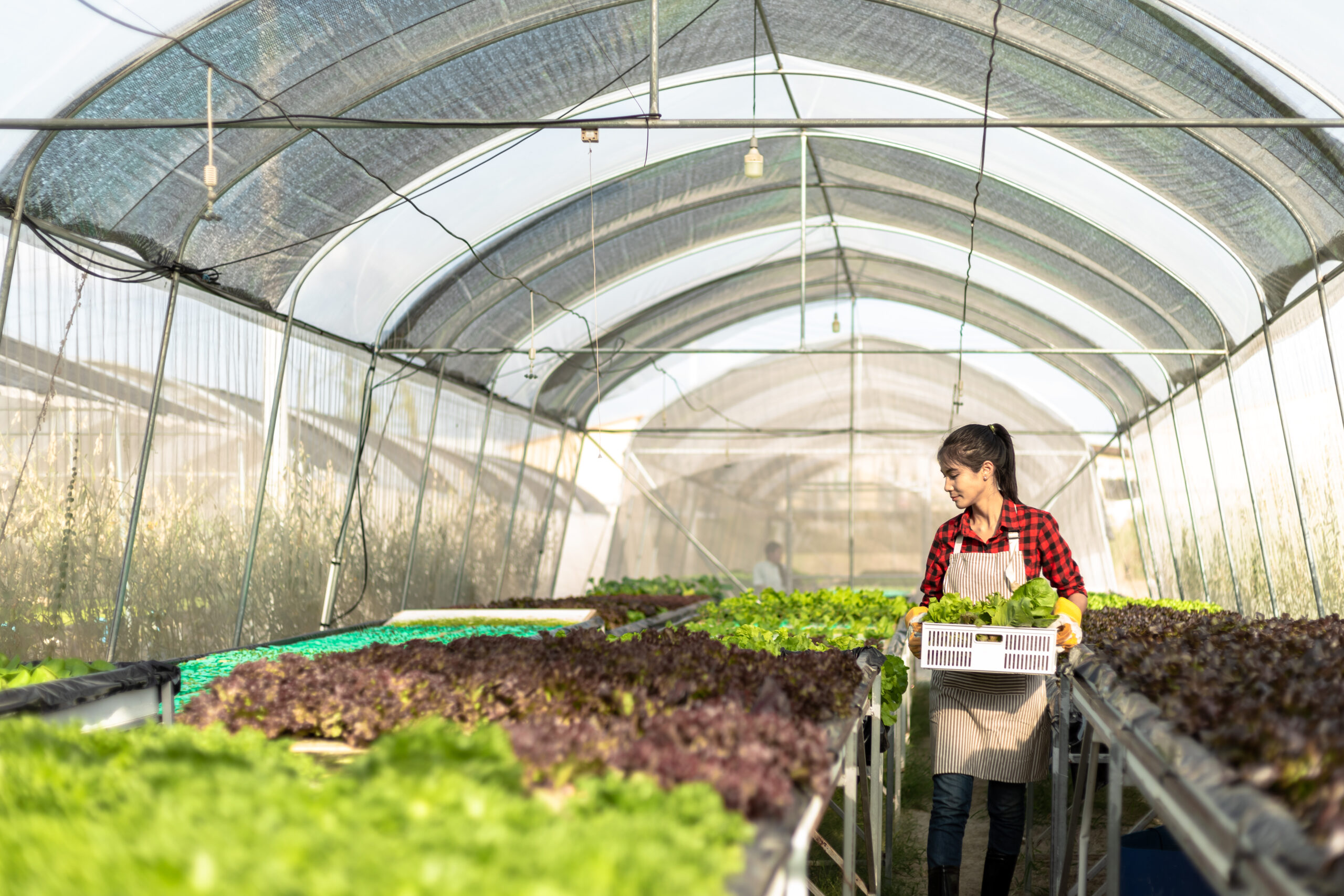
Many growers prefer using PE Insect Net as a physical barrier to prevent insects from entering growing areas. This environmentally friendly approach reduces pest pressure while minimizing reliance on chemical pesticides, helping produce healthier and safer vegetables.
7. Apply Fertilizer Properly
Heavy rainfall can wash valuable nutrients away from the root zone.
To maintain healthy growth:
- Apply organic fertilizers regularly.
- Use smaller fertilizer applications more frequently.
- Avoid fertilizing immediately before heavy rain.
Consistent nutrient management helps vegetables recover quickly from environmental stress and improves disease resistance.
8. Inspect Your Garden Every Day
Frequent observation allows problems to be identified before they become severe.
Watch for signs such as:
- Yellowing leaves
- Leaf spots
- Wilting despite wet soil
- Root decay
- Sudden pest infestations
- Poor drainage after rainfall
Early intervention can greatly reduce crop losses and improve overall productivity.
Additional Tips for Home Gardeners
If you grow vegetables in a backyard garden, several simple practices can improve plant health during the rainy season.
These include:
- Mulching with straw to reduce soil splashing
- Installing transparent rain covers during heavy storms
- Removing lower leaves that touch the soil
- Maintaining proper plant spacing
- Regularly removing weeds and fallen leaves
These small maintenance tasks significantly reduce disease pressure while creating a healthier growing environment.
Benefits of Proper Rainy-Season Vegetable Management
Following good agricultural practices during the rainy season provides several advantages:
- Higher crop survival rates
- Reduced disease outbreaks
- Better pest management
- Improved vegetable quality
- Lower production costs
- Reduced dependence on pesticides
- Higher market value for harvested vegetables
Whether growing vegetables for personal consumption or commercial production, these practices contribute to more sustainable farming.
Conclusion
Growing vegetables during the rainy season can be highly productive when proper cultivation practices are followed. Success begins with selecting suitable crops, improving soil drainage, managing irrigation carefully, preventing fungal diseases, and monitoring pests throughout the season.
Simple preventive measures, including proper garden design, routine maintenance, and effective environmental management, help protect vegetables from excessive rainfall and humidity. By implementing these techniques, growers can enjoy healthier plants, higher yields, and more reliable harvests even during challenging weather conditions.
References
- “Good Agricultural Practices (GAP) and Sustainable Crop Production.” Retrieved on Jul 19, 2026, from https://www.fao.org/
- “Plant Disease and Pest Management Resources.” Retrieved on Jul 19, 2026, from https://www.doa.go.th/
- “Vegetable Production and Crop Management Guidelines.” Retrieved on Jul 19, 2026, from https://www.doae.go.th/