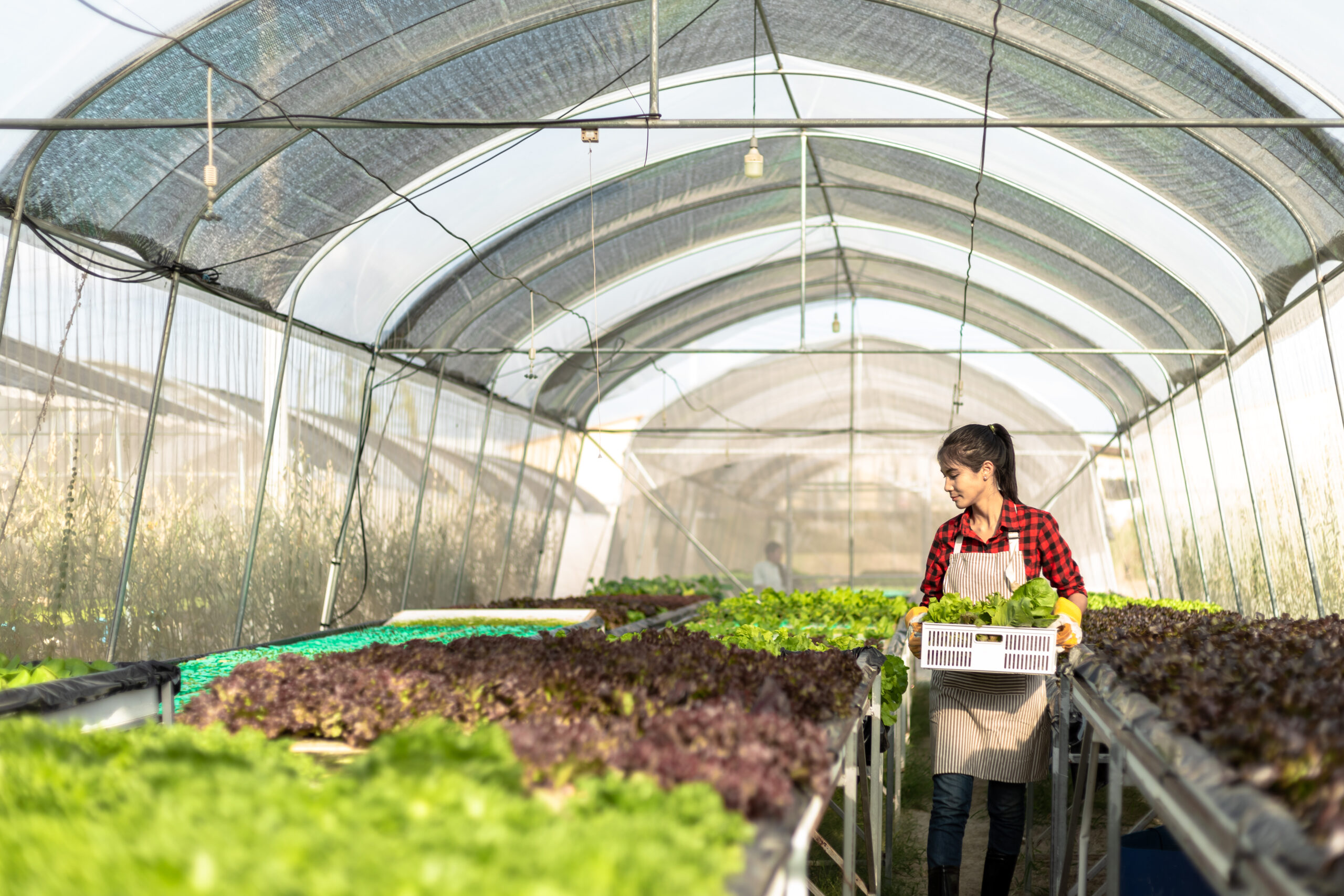
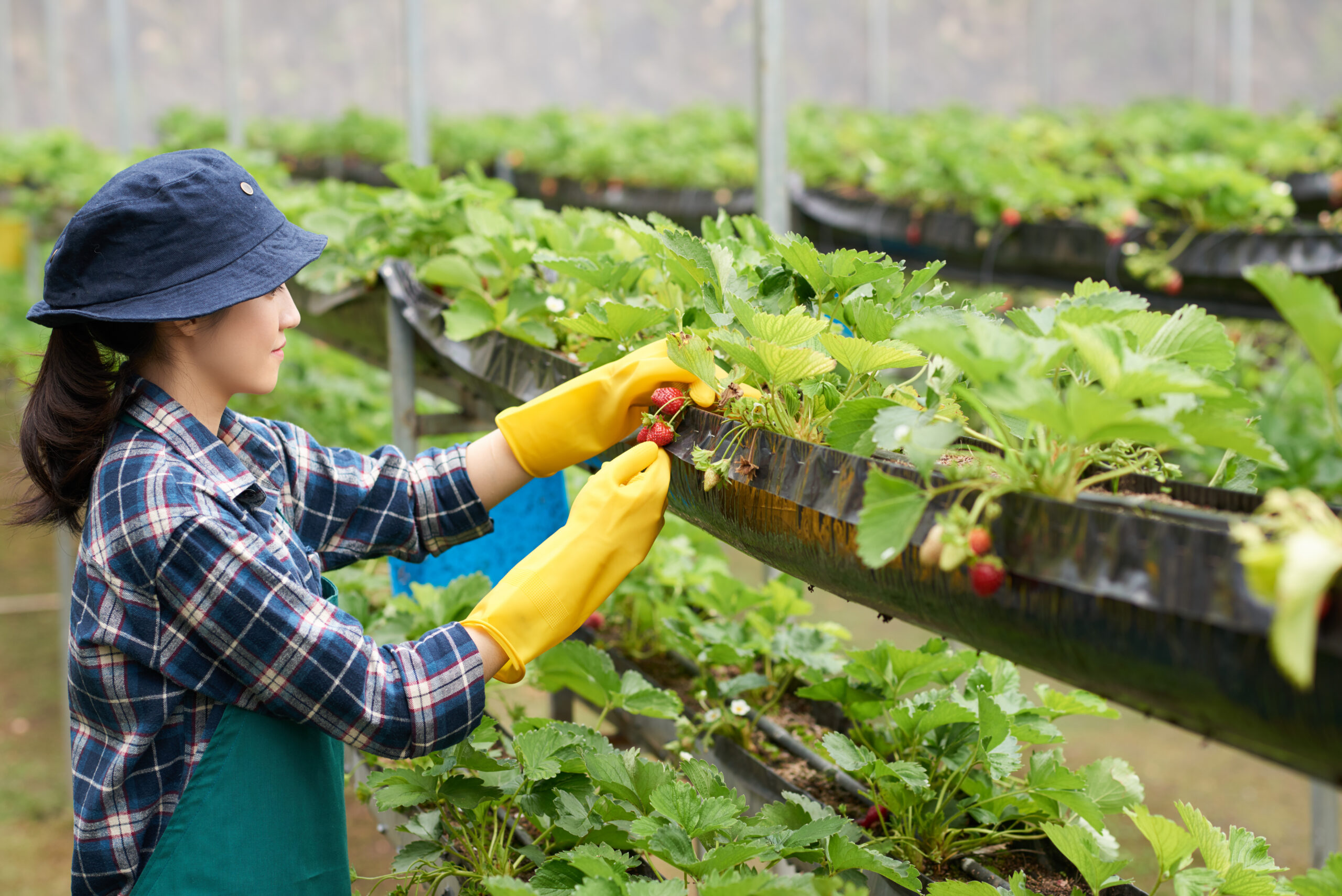
Greenhouse vegetable farming has become increasingly popular because it helps farmers control environmental conditions, improve crop quality, and reduce pesticide usage. Modern agriculture now focuses heavily on food safety, sustainable farming, and efficient crop management.
One of the most important components of a greenhouse system is the insect screen net. This protective netting helps prevent harmful insects such as aphids, whiteflies, leaf miners, and thrips from entering the growing area.
By using a high-quality insect screen net, farmers can significantly reduce pest-related damage while minimizing the need for chemical pesticides. This makes greenhouse farming safer, cleaner, and more environmentally friendly.
Types of Insect Screen Net for Greenhouses
Most greenhouse insect nets are made from HDPE (High-Density Polyethylene), a durable plastic material known for its lightweight structure, flexibility, and excellent outdoor performance.
Common types of insect screen net include:
- Fine mesh insect net
- Medium mesh insect net
- UV-protected greenhouse net
- Insect net for hydroponic farming
- Nursery greenhouse insect net
Each type is designed for different agricultural conditions and levels of insect protection.
How to Choose the Right Insect Screen Net
Select the Proper Mesh Size
Mesh size is one of the most important factors when choosing an insect screen net because it directly affects both pest prevention and greenhouse ventilation.
Smaller mesh openings provide better protection against tiny insects such as thrips and aphids. However, finer mesh may also reduce airflow inside the greenhouse.
Larger mesh sizes improve ventilation and air circulation but may allow smaller insects to enter. Therefore, selecting the correct mesh size should depend on crop type, climate conditions, and target pests.
Choose UV-Resistant Materials
Greenhouse netting is continuously exposed to sunlight, humidity, rain, and outdoor environmental conditions. For this reason, UV resistance is extremely important.
A high-quality insect screen net with UV stabilizers can help prevent cracking, brittleness, and material degradation caused by prolonged sun exposure. UV-resistant HDPE materials also improve product lifespan and reduce replacement costs over time.
In addition, strong and flexible materials help the net withstand wind pressure and reduce the risk of tearing.
Ventilation
While insect protection is essential, greenhouse ventilation is equally important for healthy plant growth. Poor airflow can increase humidity and temperature levels inside the greenhouse, which may negatively affect crops.
The ideal insect screen net should provide a balance between effective insect exclusion and sufficient airflow. Proper ventilation helps maintain stable temperatures, improve air circulation, and reduce moisture buildup inside the growing environment.
In some greenhouse systems, insect nets are combined with ventilation systems or shading solutions to optimize environmental control.
Net Color
Insect screen nets are available in several colors, including white, black, and transparent options. Different colors may affect sunlight penetration and greenhouse temperature differently.
- White netting: Allows high light transmission and is widely used in vegetable farming
- Black netting: Helps reduce sunlight intensity and heat
- Transparent netting: Maximizes natural light exposure
For most vegetable greenhouses, white insect screen net products are preferred because they support healthy plant growth while maintaining effective insect protection.
Modern Agricultural Trends and Insect Screen Technology
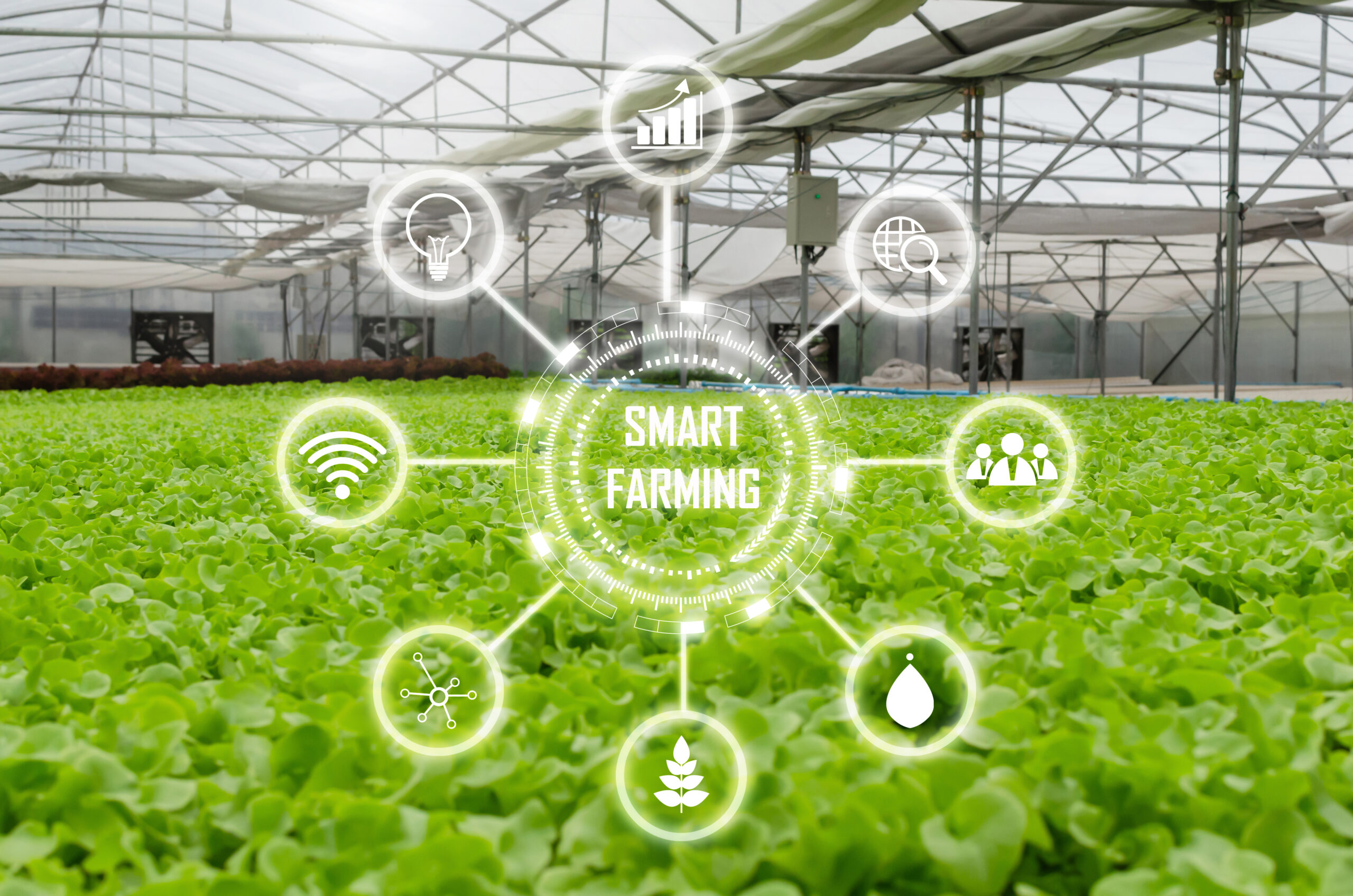
As smart farming and sustainable agriculture continue to grow, insect screen technology has become increasingly advanced. Modern greenhouse nets now offer features such as:
- Long-term UV protection
- Improved airflow performance
- Lightweight but durable construction
- Enhanced pest exclusion efficiency
- Compatibility with automated greenhouse systems
These innovations help farmers improve crop quality, reduce pesticide dependency, and increase production efficiency in modern agricultural environments.
Conclusion
Choosing the best insect screen net for vegetable greenhouses requires careful consideration of mesh size, UV resistance, airflow, and overall durability.
For most greenhouse applications, HDPE insect nets with UV protection provide the best balance of strength, ventilation, and long-term outdoor performance.
By selecting the right insect screen net, farmers can better protect crops from pests, improve growing conditions, and support safer, more sustainable agricultural production.
References
- “Protected Cultivation in Agricultures” Retrieved on May 19, 2026, from https://www.fao.org/4/s1250e/S1250E00.htm
- “Vegetable Gardening” Retrieved on May 19, 2026, from https://content.ces.ncsu.edu/extension-gardener-handbook/16-vegetable-gardening