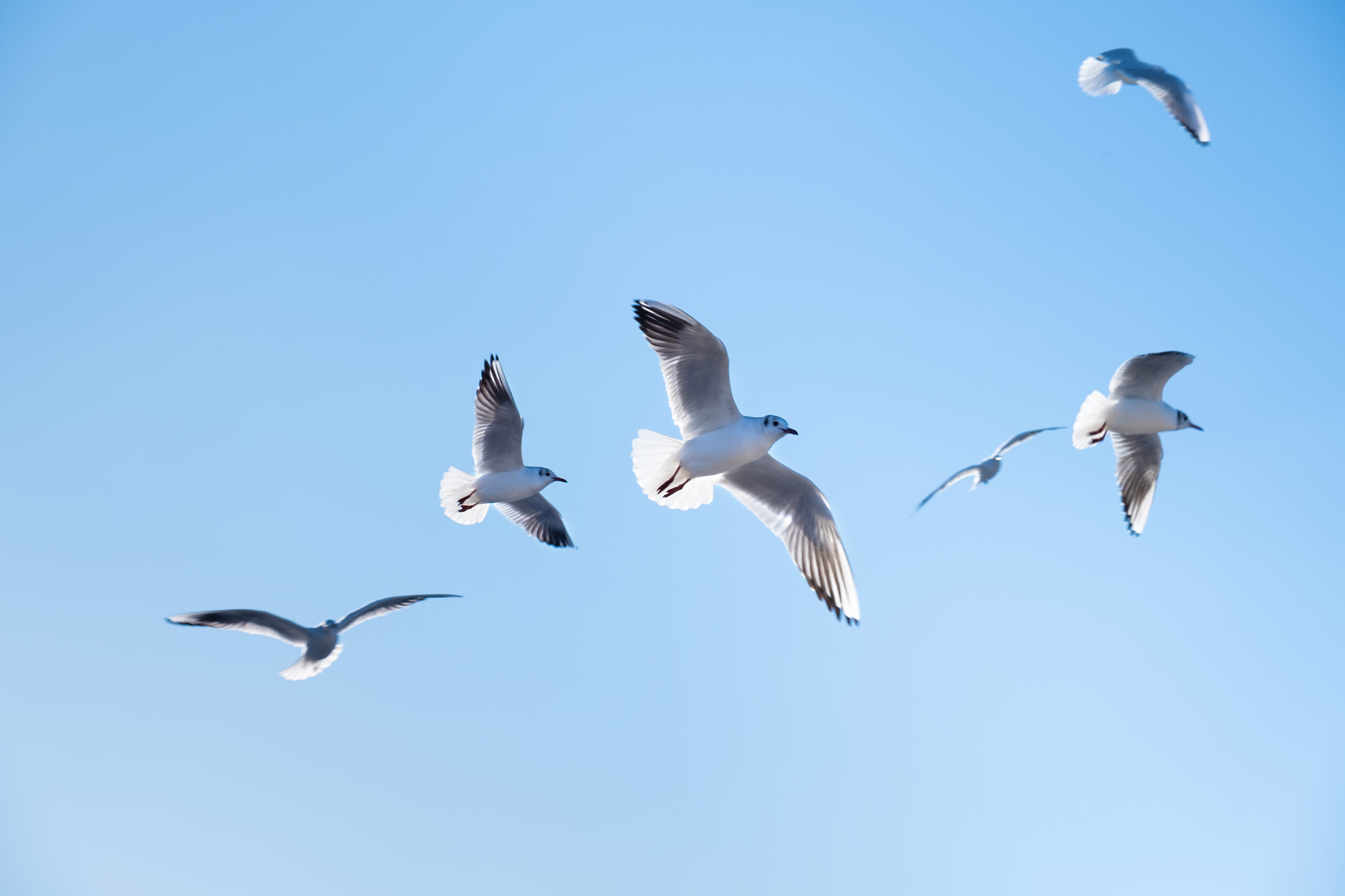
Bird problems are common in both residential and outdoor spaces. Birds such as pigeons and sparrows can create nests, leave droppings, damage plants, and affect the cleanliness of homes and gardens.
As a result, bird netting has become one of the most effective and humane solutions for preventing birds from entering unwanted areas. Unlike harmful deterrent methods, bird netting helps protect properties without injuring animals while also improving hygiene and reducing maintenance costs.
Today, bird netting is widely used in houses, balconies, gardens, farms, warehouses, and outdoor living spaces because it is easy to install and suitable for many different applications.
Types of Bird Netting Materials
There are several types of bird netting materials available on the market, and each offers different advantages depending on the environment and usage requirements.
HDPE Bird Netting
HDPE (High-Density Polyethylene) bird netting is one of the most popular choices for outdoor applications because it is lightweight, durable, and resistant to sunlight and rain.
HDPE netting also offers excellent flexibility and tensile strength, making it ideal for long-term outdoor use. In addition, UV-stabilized HDPE materials can help prevent cracking and deterioration caused by prolonged sun exposure.
Nylon Bird Netting
Nylon bird netting is softer and more flexible, making it suitable for garden protection and agricultural applications where gentle impact resistance is important.
However, nylon may have a shorter outdoor lifespan compared to HDPE if continuously exposed to strong sunlight for extended periods.
PVC Bird Netting
PVC netting is commonly used in areas requiring higher rigidity and moisture resistance. Although durable, it is usually heavier than HDPE netting and may not be ideal for large-scale installations.
How to Choose the Right Bird Netting
Choosing the right bird netting depends on several important factors, including bird size, installation area, weather conditions, and long-term durability.
Select the Proper Mesh Size
Mesh size is one of the most important considerations when selecting bird netting. Smaller mesh openings are recommended for preventing small birds from entering gardens or balconies.
Larger mesh sizes may be suitable for general outdoor spaces where ventilation and airflow are also important.
Choose UV-Resistant Materials
Since bird netting is typically installed outdoors, UV resistance is essential. Continuous exposure to sunlight can weaken plastic materials over time.
High-quality UV-protected bird netting can significantly extend product lifespan and improve long-term performance in outdoor environments.
Consider the Installation Area
Different spaces may require different netting solutions, such as:
- Residential balconies
- Gardens and patios
- Parking areas
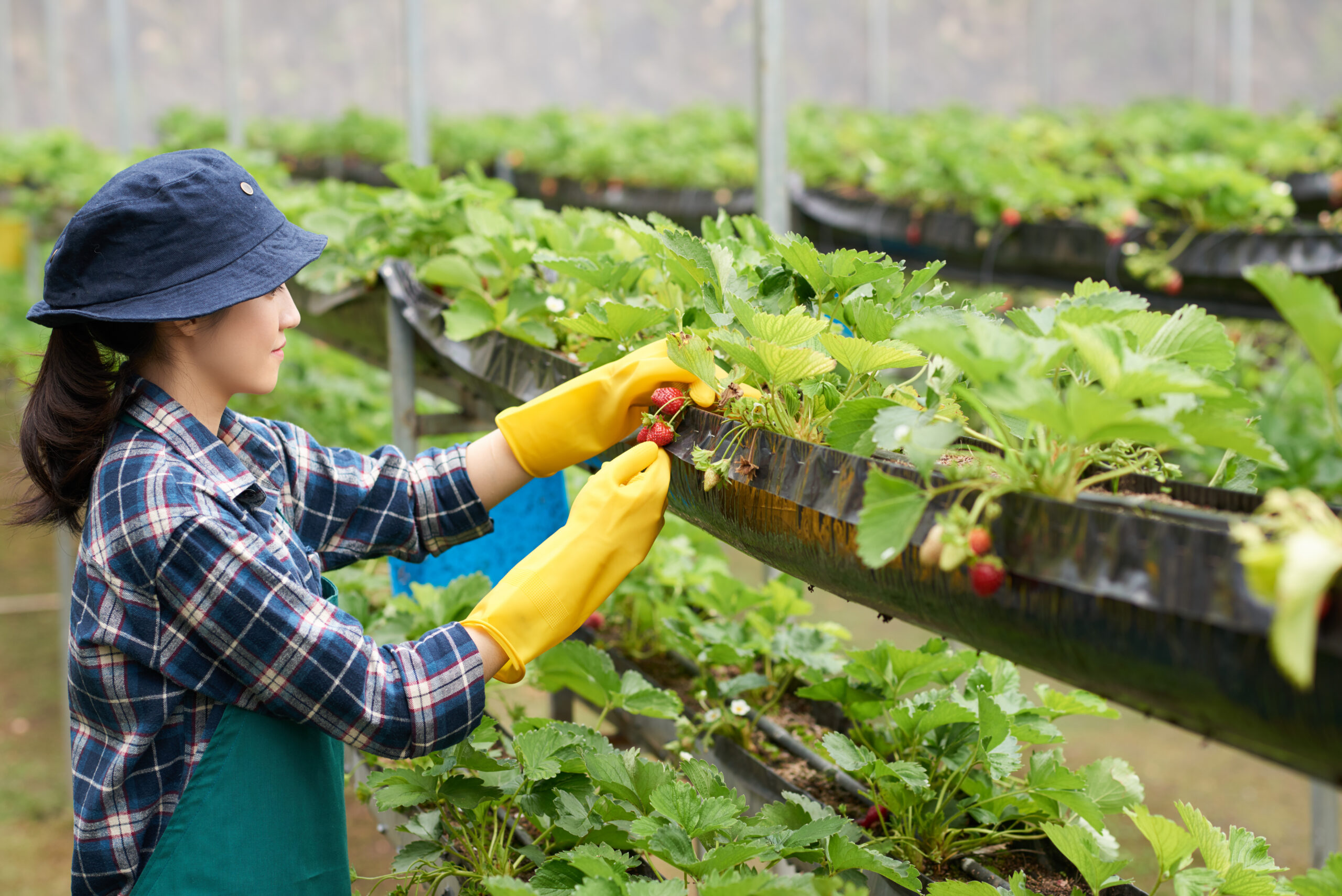
- Greenhouses
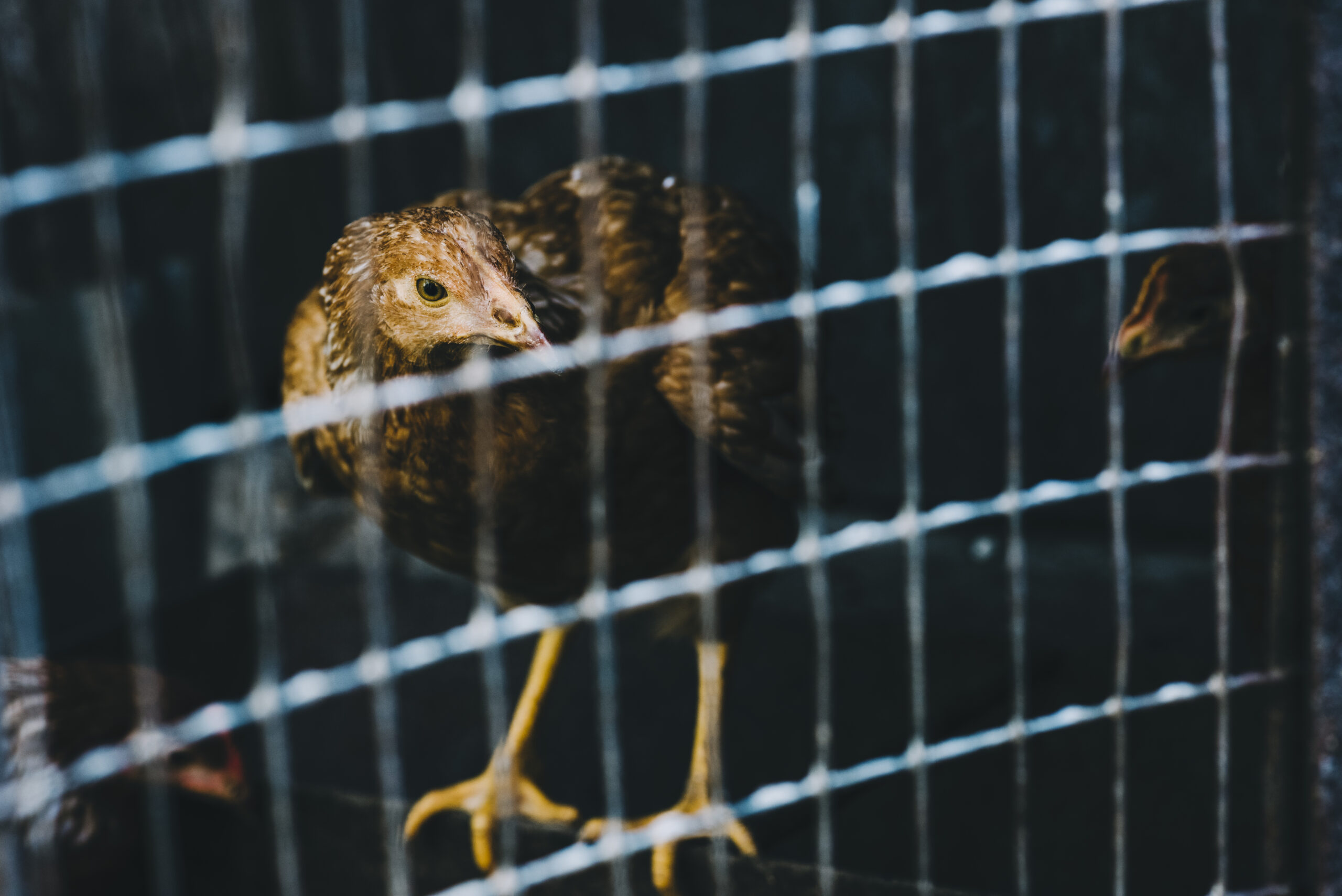
- Animal enclosures
- Agricultural farms
For larger installations, lightweight and flexible netting materials are often preferred because they are easier to handle and install.
Benefits of Bird Netting for Homes and Gardens
Besides preventing birds from entering certain areas, bird netting also provides several additional benefits:
- Reduces bird droppings and unpleasant odors
- Prevents birds from nesting on roofs and balconies
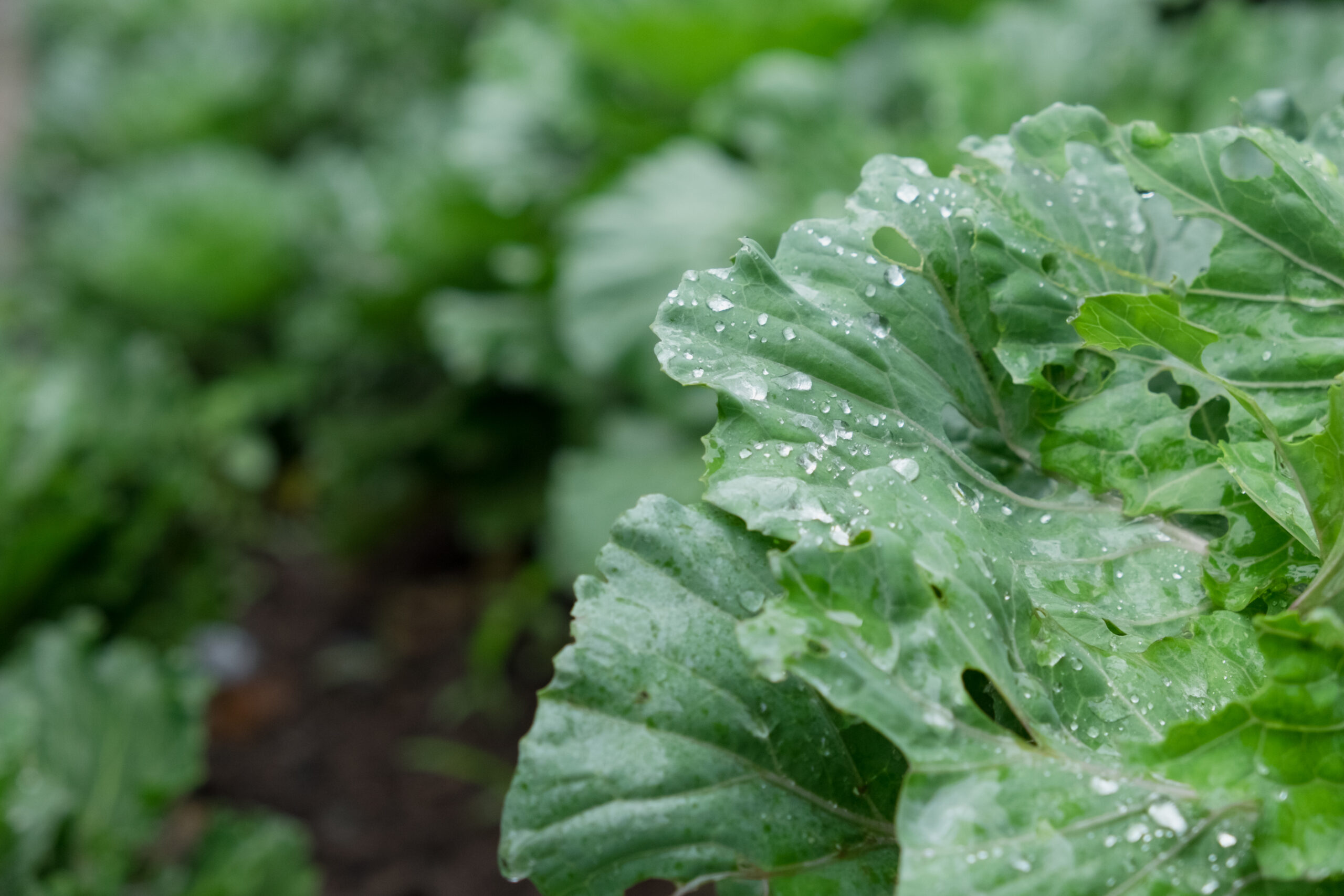
- Protects fruits, vegetables, and plants
- Helps reduce health risks associated with birds
- Improves cleanliness and outdoor comfort
Because of these advantages, many homeowners and businesses are investing in high-quality bird netting systems for long-term property protection.
Modern Bird Netting Trends for Outdoor Living
Today’s outdoor living trends focus not only on functionality but also on aesthetics. Modern bird netting products are now available in transparent, black, and minimal-style designs that blend more naturally with residential architecture.
Manufacturers are also developing environmentally friendly netting materials with improved durability and lightweight performance to meet the growing demand for sustainable outdoor solutions.
Many property owners now prefer sourcing products from a reliable knitting net supplier in Thailand because of the country’s strong manufacturing capabilities and expertise in plastic netting production.
Conclusion
The best bird netting for homes and gardens depends on the installation area, bird type, and environmental conditions.
In general, HDPE bird netting is considered one of the best choices for outdoor applications because it is lightweight, durable, UV-resistant, and suitable for long-term use. Selecting the correct mesh size and high-quality materials can significantly improve effectiveness and product lifespan.
By investing in reliable bird netting solutions, homeowners can better protect their living spaces, maintain cleaner environments, and improve outdoor comfort for years to come.
References
- “Birds on Tree Fruits and Vines” Retrieved on May 19, 2026, from https://ipm.ucanr.edu/home-and-landscape/birds/