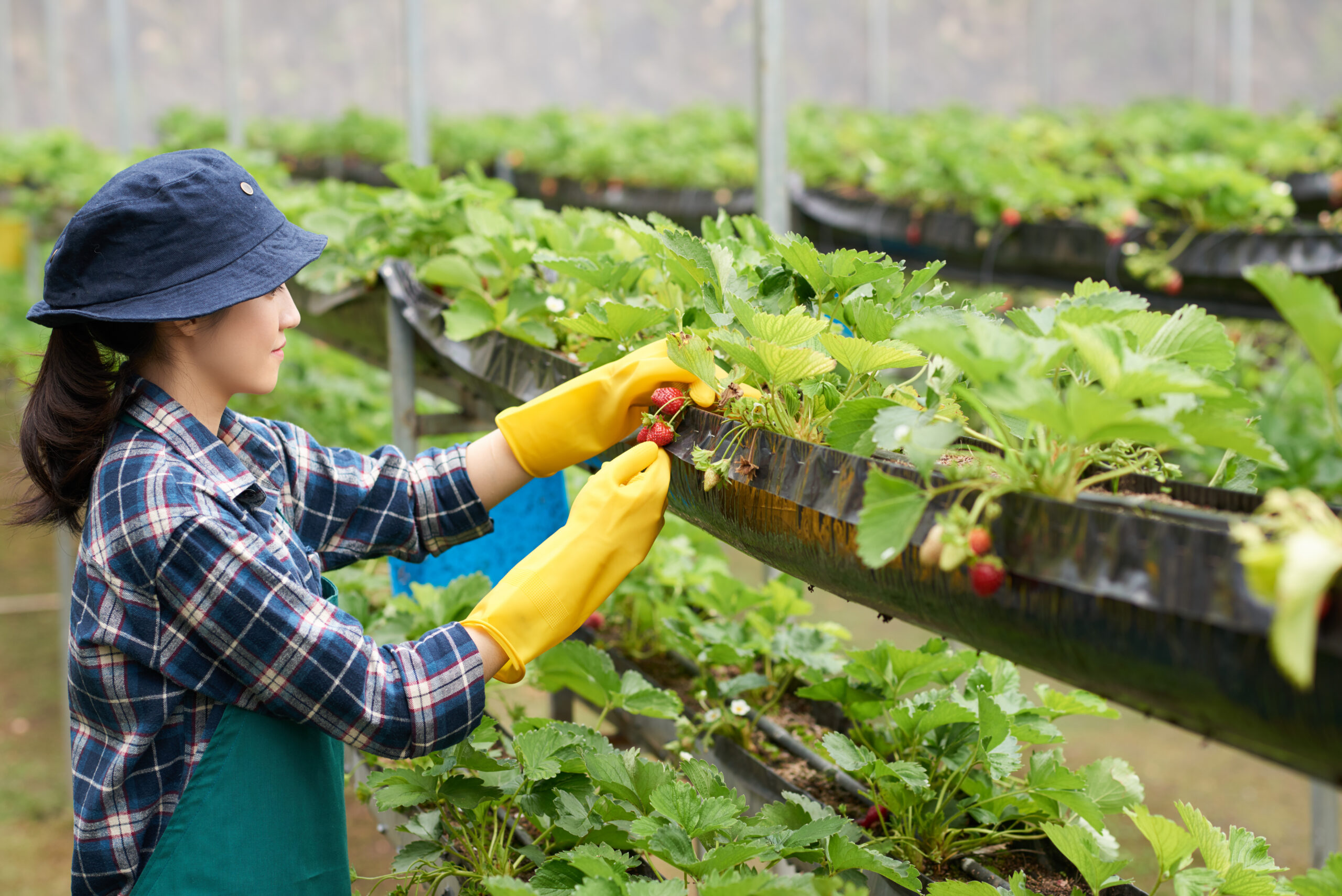
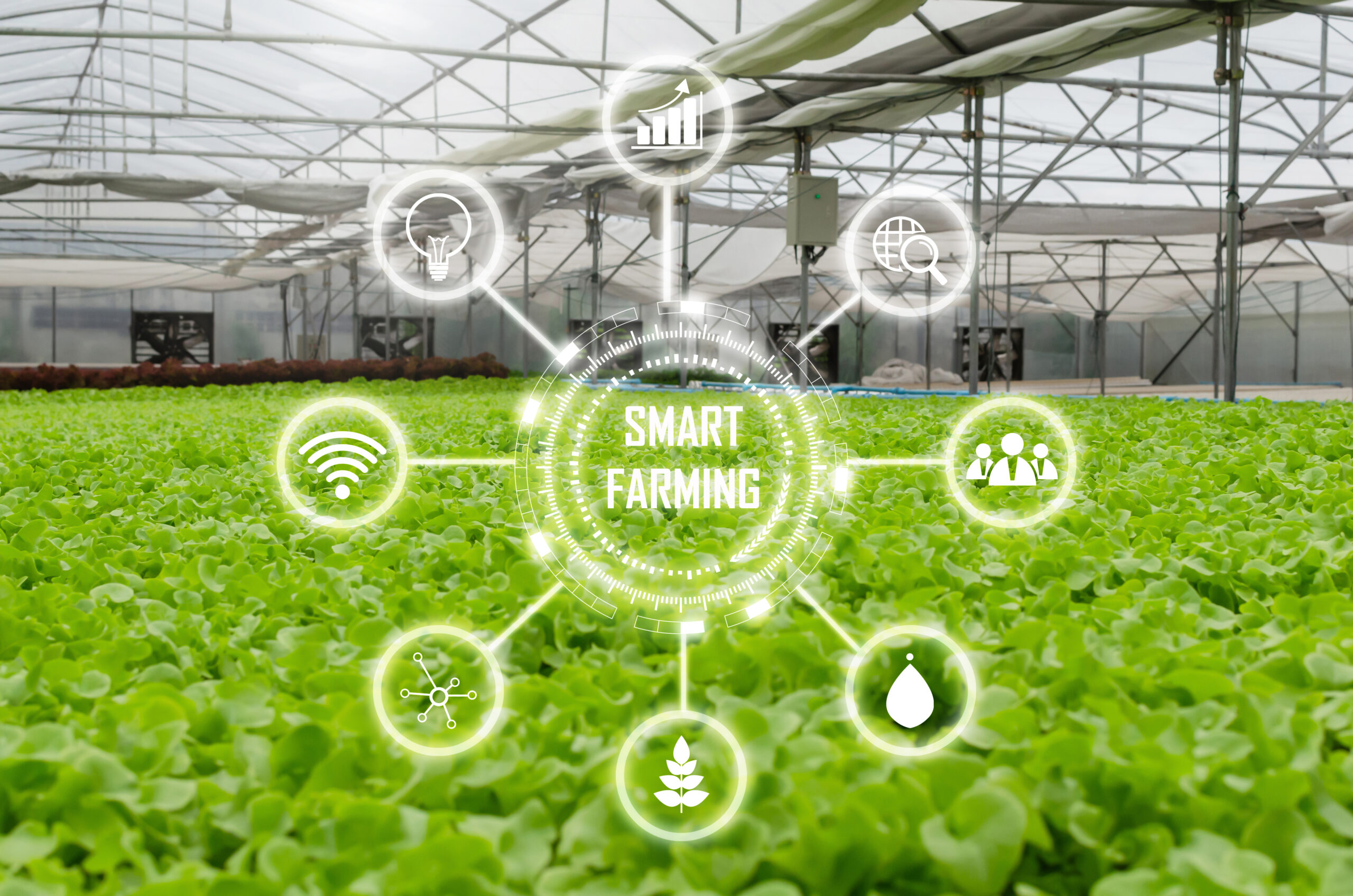
Greenhouse farming has become increasingly popular in both commercial agriculture and home gardening because it helps control environmental conditions, reduce pest problems, and improve crop quality.
One of the most important greenhouse materials is the shading net for plants, also known as shade net or agricultural shade cloth. Its primary purpose is to reduce sunlight intensity, lower temperatures, and protect plants from excessive heat and harsh weather conditions.
In tropical climates and hot-weather regions, selecting the right shading net for plants can directly affect plant growth, moisture retention, and overall crop productivity. Proper shade management also helps reduce water evaporation and creates a more stable growing environment.
Types of Shading Nets
Most agricultural shading nets are made from HDPE (High-Density Polyethylene), a durable plastic material known for its strength, UV resistance, and long outdoor lifespan.
Shading nets are commonly categorized by their shade percentage, including:
- 50% Shade Net
- 60% Shade Net
- 70% Shade Net
- 80% Shade Net
These percentages represent the amount of sunlight blocked by the net. Higher percentages provide more shade and lower light penetration.
Choosing the right shade percentage depends on the type of plants being grown and the environmental conditions of the area.
Which Shading Net Is Best for Vegetable Greenhouses?
50% – 60% Shade Net for General Vegetables
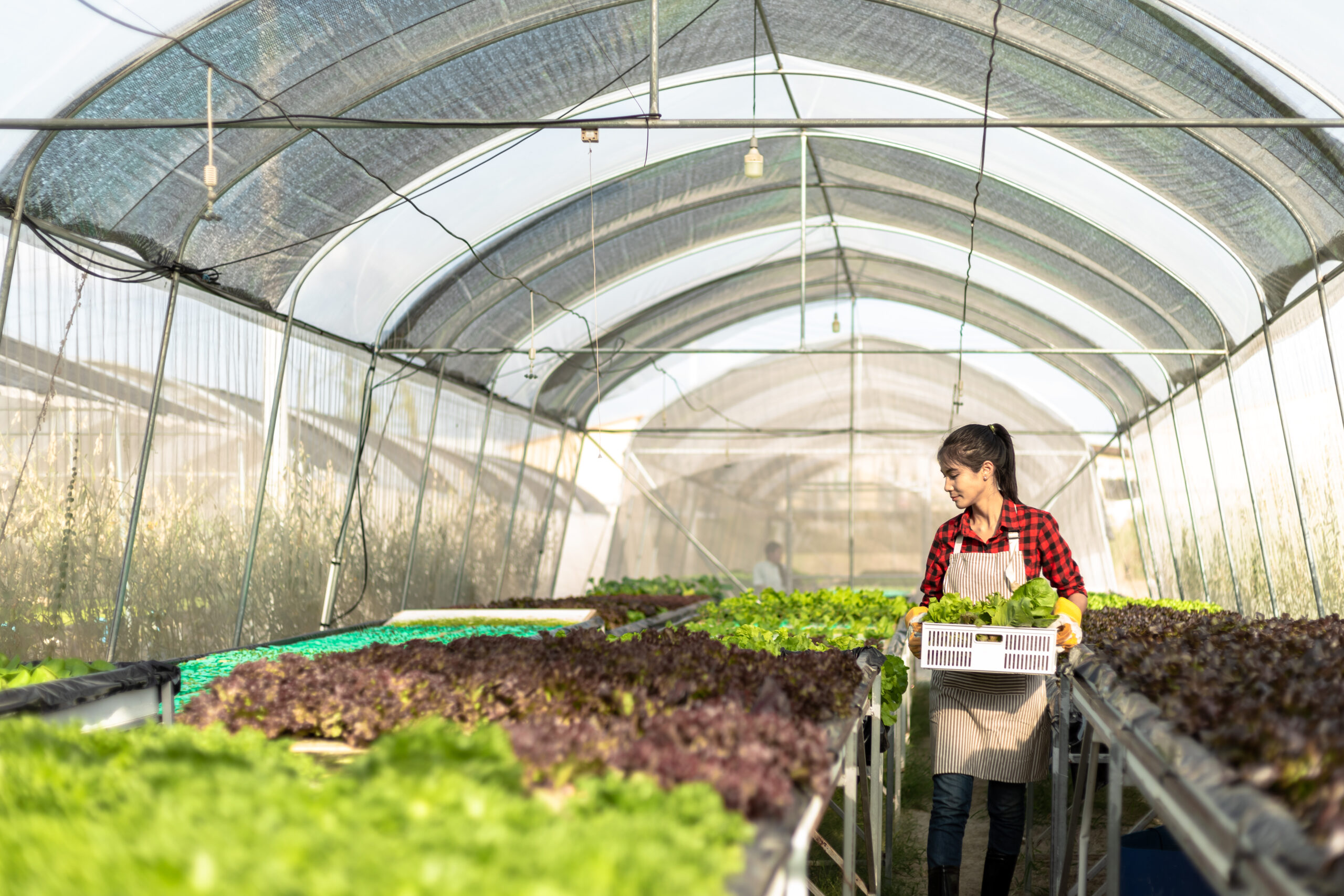
For most vegetables such as lettuce, kale, Chinese cabbage, and hydroponic crops, a 50% to 60% shading net for plants is generally recommended.
This level provides enough sunlight for photosynthesis while helping reduce excessive heat stress during hot weather conditions. It is especially suitable for greenhouse farming in regions with strong sunlight exposure.
70% – 80% Shade Net for Sensitive Plants
Plants that prefer partial shade, such as orchids, ferns, seedlings, and nursery plants, may require 70% to 80% shade coverage to prevent leaf burn and overheating.
However, using excessively high shade percentages for vegetables may reduce growth performance because plants may not receive sufficient light for healthy development.
How to Choose the Right Shading Net for Plants
When selecting a shading net, several important factors should be considered:
- UV resistance
- Outdoor durability
- Shade percentage
- Airflow and ventilation
- Installation area size
- Plant type and sunlight requirements
High-quality HDPE shading nets often include UV stabilizers that help extend product lifespan and prevent material degradation caused by prolonged sun exposure.
Does Shade Net Color Matter?
The color of the shading net can also affect light diffusion and greenhouse temperature.
Common colors include:
- Black Shade Net: Excellent heat reduction and widely used for general agriculture
- Green Shade Net: Creates softer lighting conditions and is commonly used in plant nurseries
- Silver Shade Net: Reflects sunlight and may help reduce heat accumulation in some environments
Black and green shading nets remain the most popular choices for vegetable greenhouses because they balance light reduction and plant growth effectively.
Modern Agriculture and Advanced Shading Net Technology
Modern farming increasingly focuses on environmental control systems such as irrigation, ventilation, and sunlight management. As a result, shading nets have become an essential component of greenhouse design.
Today’s manufacturers are developing advanced shading net for plants products with improved UV protection, lightweight construction, better airflow, and longer outdoor durability to support modern agricultural practices.
These innovations help farmers increase crop quality, reduce heat stress, and improve growing efficiency throughout the year.