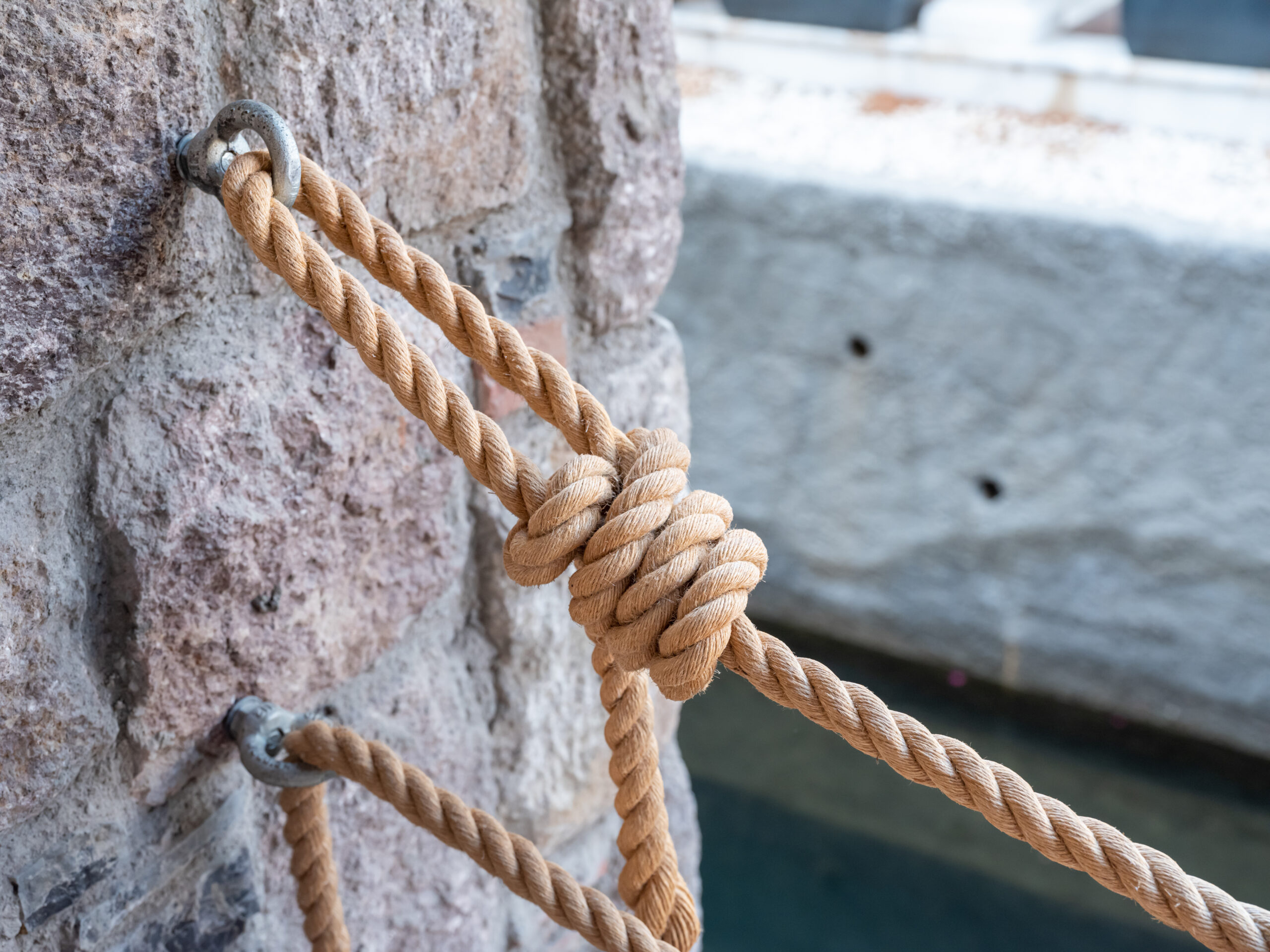
What sets PP or PE twine rope apart from conventional ropes is its ability to handle diverse applications while performing well in tropical climates like Thailand.
- UV-resistant and weatherproof for outdoor use
- Water-resistant and mold-resistant
- Lightweight and easy to handle
- Suitable for both light and heavy-duty tasks
These advantages make PP or PE twine rope widely used across industries, from household applications to large-scale industrial operations.
5 Benefits of PP or PE Twine Rope That Most People Don’t Know
1) Lightweight Yet Strong for Better Handling
PP or PE twine rope is lighter than many other types of rope, yet strong enough for general and industrial applications.
This makes it:
- Easy to transport
- Faster to use
- Less labor-intensive
It is especially ideal for logistics and job sites that require frequent handling.
2) Water-Resistant for Full Outdoor Performance
One often overlooked advantage is that PP or PE twine rope does not absorb water.
Whether used in:
- Wet environments
- Outdoor conditions
- Marine applications
The rope maintains its original weight and performance without becoming heavier or deteriorating easily, ensuring longer usability.
3) UV-Resistant and Durable Under Sunlight
PP or PE twine rope is specifically designed for outdoor environments.
It can:
- Withstand strong sunlight and UV exposure
- Resist cracking and brittleness
- Maintain performance over long-term use
This is why many industries prefer it over traditional rope materials.
4) Mold-Resistant and Rot-Proof for Long-Term Savings
As a synthetic material, PP or PE twine rope does not develop mold or rot like natural fiber ropes.
It is ideal for:
- Agricultural use
- Warehouses
- Outdoor environments
This helps reduce replacement costs and ensures long-term value.
5) Versatile Across Multiple Industries
PP or PE twine rope can be used in a wide range of applications, such as:
- Construction → tying, securing, anchoring
- Logistics → cargo fastening
- Agriculture → fencing and plant support
- Industry → general-purpose use
Its versatility makes it an essential tool across different sectors.
How to Choose the Right PP or PE Twine Rope
Choosing the right rope can improve efficiency and reduce costs. Consider the following factors:
- Diameter → Larger size for heavier loads
- Material quality → Higher grade for longer lifespan
- Usage type → Indoor or outdoor
- Manufacturer → Choose a reliable supplier
Why Choose PP or PE Twine Rope from Siamnet Industry?
If you are looking for PP or PE twine rope that delivers real performance and long-term value, selecting the right rope manufacturer is crucial.
Siamnet Industry is a specialist in netting and rope solutions, focusing on high-quality synthetic fibers and strict production standards to ensure durability and reliability.
Key advantages include:
- High-quality materials resistant to sun and water
- Consistent rope structure with strong durability
- Available in various sizes for all applications
- Suitable for residential, agricultural, and industrial use
Whether for small-scale tasks or large projects, choosing a standard-quality rope ensures confidence in every use.
PP or PE Twine Rope: A Cost-Effective Long-Term Solution
PP or PE twine rope is more than just a basic material—it is designed to meet real-world demands with strength, lightweight properties, and environmental resistance.
These five benefits highlight how the right rope can reduce costs, improve efficiency, and simplify operations. By choosing a high-quality product from a trusted manufacturer, you can ensure that every application delivers true long-term value.
References
- “PE Rope Product Description and Applications.” Retrieved on March 26, 2026, from https://www.suntenplastic.com/th/pe-rope-product/
- “Polyethylene and Polypropylene in Marine Applications.” Retrieved on March 26, 2026, from https://www.seafdec.or.th/knowledge/polyethylene-polypropylene/